Fill Invoice
FREE INVOICE GENERATOR
Building Loyalty Programs That Actually Encourage Repeat Business

Posted On 2026-01-15
The Importance of Loyalty Programs for Small Businesses
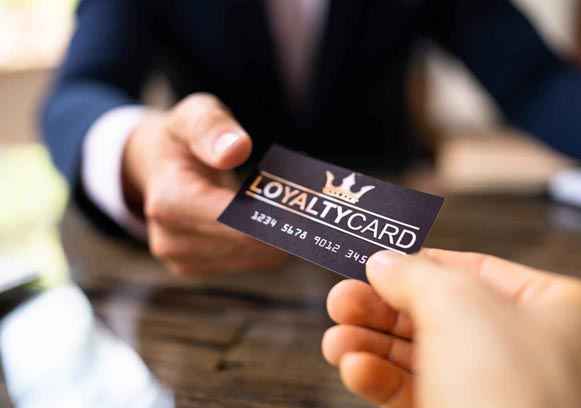
Loyalty programs go beyond simple discounts by creating a structured way to recognize and reward customers who consistently choose your brand. These programs enhance customer satisfaction by making buyers feel appreciated and valued.
Moreover, loyalty programs increase customer lifetime value, reducing the cost of acquiring new customers. Repeat customers are more likely to try new products, participate in promotions, and serve as brand advocates.
How Loyalty Drives Sustainable Business Growth
Consistent customers contribute to steady revenue streams, allowing better financial forecasting and business planning. The feedback and engagement from loyal customers also provide valuable insights for improving products and services.
Loyalty programs create a community around your brand, deepening emotional connections that foster trust and advocacy. This sense of belonging often translates into resilience during market fluctuations or competitive pressures.
Finally, programs encourage positive behavior such as social sharing, reviews, and referrals, helping to organically grow your customer base with minimal additional marketing spend.
Designing Loyalty Programs That Resonate
To build a loyalty program that actually works, it's crucial to understand your customers' motivations and preferences. Simply offering generic discounts may not be enough; rewards should be relevant, attainable, and aligned with your brand identity.
Another important design element is simplicity. A complicated or confusing program deters participation. Clear rules, easy sign-up processes, and straightforward reward tracking encourage customers to join and stay engaged.
Elements of Effective Loyalty Program Design
Tiered Rewards: Creating levels based on customer spending or engagement motivates progression and higher loyalty.Experiential Rewards: Offering unique experiences or behind-the-scenes access builds emotional bonds.Partner Perks: Collaborating with complementary local businesses to provide additional benefits.Mobile Integration: Making the program accessible and manageable via a smartphone app.Exclusive Offers: Providing early access to sales or products for loyalty members.
Creative Loyalty Program Ideas to Encourage Repeat Visits
Another idea is surprise and delight campaigns, where unexpected rewards or recognition are given, reinforcing positive feelings toward the brand. Seasonal or event-based bonuses tied to holidays or anniversaries can also re-engage customers.
Incorporating social sharing incentives encourages members to promote your business, extending program reach and building community. Combining online and offline elements ensures a seamless experience across shopping channels.
Innovative Tactics for Small Business Loyalty
Point Boost Days: Offering double points on specific days to drive traffic during slower periods.Referral Rewards: Giving incentives for customers who bring friends or family.Feedback Bonuses: Awarding points or perks for completing surveys or reviews.Birthday Gifts: Sending personalized offers or gifts to celebrate customers' birthdays.Community Causes: Donating a portion of points or purchases to local charities chosen by customers.
Implementing Your Loyalty Program Successfully
Staff training is essential to ensure consistent communication and enthusiastic promotion of the program. Employees should be empowered to answer questions and encourage sign-ups during every customer interaction.
Marketing your loyalty program across all channels maximizes awareness. Use in-store signage, email campaigns, social media posts, and website banners to invite customers to join.
Steps to Smooth Program Rollout
Pilot Test: Launch with a small group to identify issues and gather feedback before wider release.Clear Messaging: Explain benefits and how to participate simply and engagingly.Track Metrics: Monitor enrollment rates, redemption patterns, and customer feedback.Iterate: Refine based on data and customer insights to improve program effectiveness.Celebrate Milestones: Publicize loyalty successes to build excitement and community spirit.
Measuring the Impact of Your Loyalty Program
Collecting qualitative feedback through surveys or direct interviews adds valuable context, highlighting what customers appreciate or want improved. Monitoring referral activity and social media mentions helps evaluate broader brand impact.
Establishing a dashboard or regular reporting process ensures ongoing visibility into the program's health and ROI. Data-driven decision-making enables continual optimization and ensures the program supports overall business goals.
Important KPIs to Monitor
Enrollment Growth: Number of new loyalty members over time.Redemption Rate: Percentage of rewards redeemed versus issued.Repeat Purchase Rate: Frequency of return visits by loyalty members.Customer Lifetime Value: Average revenue generated by loyalty members compared to non-members.Customer Satisfaction Scores: Feedback ratings and comments related to the program.
Overcoming Common Loyalty Program Challenges
Educating customers on program benefits and making participation easy encourages adoption. Partnering with trusted vendors or technology providers can reduce implementation headaches and improve user experience.
Lastly, be patient and persistent. Building a loyal customer base is a long-term effort that requires continuous nurturing and adaptation.
Tips for Managing Program Challenges
Start Small: Launch simple programs and add features as you grow.Engage Customers Regularly: Use emails and social media to keep interest alive.Leverage Feedback: Act on customer suggestions to improve the program.Promote Employee Advocacy: Encourage staff to become loyalty ambassadors.Monitor Costs: Ensure rewards and operational expenses don't outweigh benefits.
Conclusion: Building Loyalty Programs That Truly Work
Successful loyalty programs foster emotional connections, reward valued behaviors, and provide customers with real value that goes beyond transactional discounts. With thoughtful planning and execution, these programs become powerful engines for growth, advocacy, and resilience in competitive markets.
Ultimately, investing in a well-crafted loyalty program is an investment in your customers' ongoing satisfaction and your business's bright future.


Popular Posts
June 2026


Building a Community Online Without Feeling Overwhelmed
Creating and nurturing an online community can be a game-changer for .. ..
Creating and nurturing an online community can be a game-changer for small businesses. A strong community fosters loyal customers, encourages .. ..
READ NOW


How to Optimize Paid Advertising for Maximum ROI in 2025
Paid advertising in 2025 is evolving rapidly with the rise of .. ..
Paid advertising in 2025 is evolving rapidly with the rise of automation, AI, and increased data privacy regulations. Marketers are .. ..
READ NOW


Celebrating Wins and Planning for Long-Term Success
Recognizing and celebrating wins, no matter how big or small, is .. ..
Recognizing and celebrating wins, no matter how big or small, is crucial to maintaining motivation and fostering a positive environment. .. ..
READ NOW


Using Chatbots to Improve Customer Support and Sales
In the evolving digital landscape, businesses are constantly seeking ways to .. ..
In the evolving digital landscape, businesses are constantly seeking ways to enhance user experiences and streamline operations. One of the .. ..
READ NOW


5 Personal Finance Hacks That Make Investing Easier for Beginners
Investing can seem daunting for beginners, often clouded with complex jargon, .. ..
READ NOW


Using Marketing Automation to Streamline Strategy Execution
Marketing automation refers to the use of software platforms and technologies .. ..
READ NOW


Waste Not: Sustainable Product Design for Startups
In today's rapidly evolving market, startups have a unique opportunity to .. ..
READ NOW

4 Free Marketing Channels Every Beginner Should Try
Marketing is essential for any business, but for beginners, the cost .. ..
READ NOW


From Milestone to Meh: The Strange Psychology of Wins
Successes and wins, whether big or small, are often anticipated as .. ..
READ NOW


How Hybrid Finance Is Shaping the Future of Entrepreneurial Funding
Entrepreneurial funding has experienced a significant transformation in recent years, driven .. ..
READ NOW


