Fill Invoice
FREE INVOICE GENERATOR
Building Loyalty Programs That Complement Your Marketing Strategies

Posted On 2026-06-05
1. The Importance of Loyalty Programs in Modern Marketing
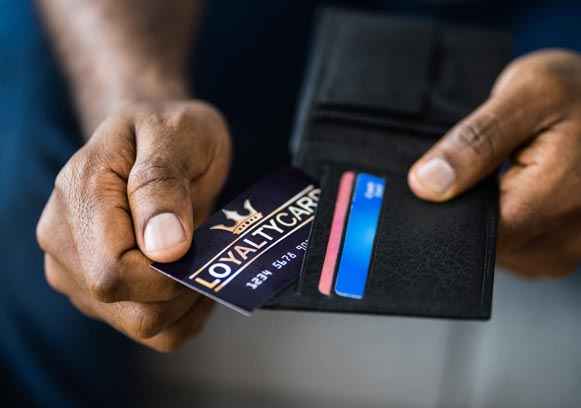
In today's competitive business landscape, loyalty programs have become an essential tool for fostering long-term customer relationships. They not only encourage repeat purchases but also help build a community of brand advocates. Loyalty programs reward customers for their commitment, creating a sense of appreciation and connection that goes beyond a simple transaction.
Without a loyalty program, businesses risk losing customers to competitors who offer added value and incentives for repeat business. As customer expectations evolve, combining loyalty initiatives with marketing campaigns is increasingly necessary to remain relevant and competitive in the market.
2. Designing Loyalty Programs That Align With Your Brand
The success of a loyalty program largely depends on how well it aligns with your brand's identity and values. When designing your program, it's crucial to reflect what your brand stands for and ensure that the rewards resonate with your target audience. This alignment creates authenticity, making customers feel that the loyalty program is a natural extension of your brand experience.
Additionally, consistency between your loyalty program and marketing messaging helps create a seamless customer experience. The tone, visuals, and values communicated through your program should mirror those used in your marketing campaigns, reinforcing brand recognition and trust.
3. Key Features to Include in an Effective Loyalty Program
Creating an effective loyalty program involves incorporating features that are simple to understand, valuable, and engaging. Clear communication of how customers earn and redeem rewards eliminates confusion and encourages participation.
Point-based systems are popular because they allow customers to accumulate points with every purchase, which can then be redeemed for discounts, freebies, or exclusive products. Tiered loyalty programs add an element of gamification by offering increasing benefits as customers reach higher tiers, motivating ongoing engagement.
4. Integrating Loyalty Programs Into Your Marketing Channels
For a loyalty program to complement your marketing strategies effectively, it must be integrated seamlessly into your existing channels. Promoting your loyalty program across email, social media, your website, and in-store helps maximize awareness and participation.
Email marketing is an especially powerful tool for nurturing your loyalty program members. Regular emails featuring exclusive offers, points balance updates, and personalized recommendations keep your brand top-of-mind. Social media platforms can be used to create buzz around your program by sharing success stories, hosting contests, and encouraging user-generated content.
In-store promotion through signage, staff training, and point-of-sale reminders encourages sign-ups and engagement at the moment of purchase. Omnichannel integration ensures customers receive a consistent message and experience regardless of how they interact with your brand.
5. Using Data From Loyalty Programs to Refine Marketing Strategies
For example, understanding which products or services drive the most loyalty points can help identify best-sellers and focus marketing efforts accordingly. Behavioral insights such as purchase frequency, average order value, and preferred reward types enable you to personalize marketing campaigns for higher engagement.
Leveraging loyalty data also allows you to identify at-risk customers and implement re-engagement campaigns before they churn. Continuous analysis ensures that your marketing remains relevant, efficient, and customer-centric, maximizing return on investment.
6. Encouraging Emotional Connections Through Loyalty Programs
While rewards and discounts attract customers, emotional connections create lasting loyalty. Loyalty programs that go beyond transactions to foster genuine relationships tend to outperform those solely focused on points and prizes.
Moreover, storytelling within your loyalty program communications helps humanize your brand and reinforce emotional ties. Sharing customer success stories or highlighting social impact initiatives tied to your program strengthens these bonds and differentiates your brand from competitors.
7. Loyalty Program Tactics in Point Form
Keep the program simple: Avoid overly complex rules that discourage participation.Offer relevant rewards: Ensure rewards align with customer preferences and brand values.Use gamification: Introduce tiers, badges, or challenges to motivate ongoing engagement.Personalize communications: Tailor messages based on customer behavior and history.Incorporate feedback loops: Regularly gather and act on customer feedback to improve the program.Promote social sharing: Encourage customers to share their rewards and experiences online.Provide omni-channel access: Allow customers to earn and redeem rewards across all shopping channels.
8. Common Challenges and How to Overcome Them
Despite their benefits, loyalty programs come with challenges such as program fatigue, low engagement, and managing costs. Some customers may lose interest if rewards take too long to earn or if the program lacks perceived value.
To combat fatigue, refresh your program periodically with new rewards, bonus opportunities, and exclusive experiences. Clear communication and transparency about how to earn and redeem rewards build trust and encourage participation.
Managing costs requires balancing attractive incentives with profitability. Using data analytics to target rewards strategically ensures that incentives go to the right customers who will generate the most value for your business.
9. The Future of Loyalty Programs in Marketing
Emerging technologies like artificial intelligence and blockchain are shaping the future of loyalty programs. AI enables hyper-personalization by analyzing large data sets to predict customer preferences and deliver timely, relevant rewards.
As customer expectations evolve, integrating advanced technologies with strategic marketing will be crucial for brands to stay ahead and maintain competitive loyalty programs that truly complement their marketing efforts.
Conclusion
By integrating loyalty initiatives with your marketing channels, personalizing rewards, and continuously analyzing customer behavior, you ensure that your program remains relevant and impactful. Overcoming challenges through innovation and customer feedback further strengthens your approach.


Popular Posts
June 2026


Building a Community Online Without Feeling Overwhelmed
Creating and nurturing an online community can be a game-changer for .. ..
Creating and nurturing an online community can be a game-changer for small businesses. A strong community fosters loyal customers, encourages .. ..
READ NOW


How Mind Mapping Can Lead to Business Breakthroughs
In the world of business, where chaos and complexity often reign, .. ..
READ NOW


How to Optimize Paid Advertising for Maximum ROI in 2025
Paid advertising in 2025 is evolving rapidly with the rise of .. ..
READ NOW


From Milestone to Meh: The Strange Psychology of Wins
Successes and wins, whether big or small, are often anticipated as .. ..
READ NOW


Using Chatbots to Improve Customer Support and Sales
In the evolving digital landscape, businesses are constantly seeking ways to .. ..
READ NOW


The Role of Professional Accountants and When to Hire One
Small businesses face a complex world of financial management that goes .. ..
READ NOW


Waste Not: Sustainable Product Design for Startups
In today's rapidly evolving market, startups have a unique opportunity to .. ..
READ NOW


5 Personal Finance Hacks That Make Investing Easier for Beginners
Investing can seem daunting for beginners, often clouded with complex jargon, .. ..
READ NOW


Celebrating Wins and Planning for Long-Term Success
Recognizing and celebrating wins, no matter how big or small, is .. ..
READ NOW


Why Financial Discipline Matters More Than Ever Now
In an era marked by economic uncertainties, fluctuating markets, and rising .. ..
READ NOW


