Fill Invoice
FREE INVOICE GENERATOR
Conducting A SWOT Analysis For Your Marketing Strategy

Posted On 2026-03-07
1. Understanding SWOT: The Basics
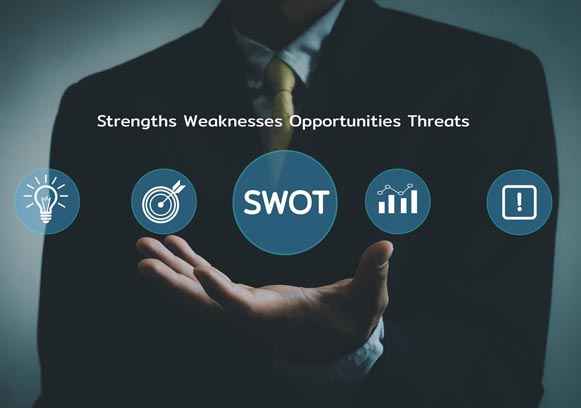
SWOT stands for
Strengths highlight what your business does well. It could be anything from brand loyalty, unique products, to efficient customer service. On the flip side, weaknesses are areas that need improvement or resources that are lacking.
Opportunities refer to external trends or gaps in the market you can capitalize on, while threats are challenges such as competition, regulations, or market downturns. A thorough analysis ensures you're not just reacting to change - you're anticipating it.
2. Identifying Your Strengths
One common mistake is underestimating your strengths or assuming they're obvious to everyone. Instead, take time to ask: What makes us better than competitors? What do our customers praise us for? What resources do we possess that others don't?
It's also important to match strengths with your marketing goals. If customer satisfaction is a strength, highlight it through testimonials and case studies. If you have fast delivery times, make that a central part of your message.
3. Recognizing Your Weaknesses
Identifying weaknesses isn't about criticizing your brand-it's about being honest. Every business has limitations, and understanding them is essential to improvement. These could involve limited marketing budget, low brand awareness, or poor online visibility.
Evaluate your past marketing campaigns. Which ones failed and why? Are there patterns in customer complaints? Could your content or targeting be more refined? Recognizing these issues allows you to develop better strategies in the future.
4. Exploring External Opportunities
Opportunities are market trends or external conditions that your business can leverage for growth. These can stem from technological advances, customer behavior changes, competitor mistakes, or gaps in product offerings.
For instance, the increasing demand for eco-friendly products presents a huge opportunity for brands that offer sustainable alternatives. Similarly, changes in social media algorithms might give new content types more visibility, benefiting agile marketers.
Staying informed is key to spotting opportunities. Attend industry events, follow thought leaders, subscribe to market research platforms, and engage with your audience. These practices help you detect shifts early and capitalize ahead of the curve.
5. Anticipating Threats
For example, if a competitor launches a product similar to yours at a lower price, it could reduce your market share. Alternatively, if your ad account gets suspended on a key platform, it could drastically affect campaign performance.
While you can't always eliminate threats, you can plan responses. Have contingency plans in place and regularly conduct risk assessments. Monitoring your digital presence and public sentiment can also help you manage potential PR crises.
6. How to Conduct a SWOT Analysis
Begin with a brainstorming session involving your marketing, product, and customer service teams. Create four quadrants on a whiteboard or digital workspace labeled Strengths, Weaknesses, Opportunities, and Threats.
Encourage everyone to contribute honestly. After collecting inputs, group similar ideas and prioritize them based on their impact. Next, connect internal elements (strengths and weaknesses) with external ones (opportunities and threats) to discover strategic alignments.
7. Common Mistakes to Avoid
Being Too Vague: Avoid general statements like "we're good at marketing." Be specific, such as "we have a 40% email open rate, above the industry average."Overlooking External Forces: Don't get too caught up in internal dynamics. Remember to scan your industry and market trends regularly.Ignoring Customer Feedback: Your audience can offer insights into both strengths and weaknesses. Use surveys, reviews, and interviews for data.Failing to Update Regularly: A SWOT analysis should be updated quarterly or during major shifts, not just once.Lack of Action: The goal isn't just listing factors, but transforming them into action plans that feed into your strategy.
8. Using SWOT to Refine Your Marketing Plan
A completed SWOT analysis can reshape your entire marketing approach. For example, if your strength is strong email engagement, you might allocate more budget to email automation tools. If an opportunity involves shifting consumer preferences, your messaging might be revised to suit.
Integrate SWOT insights into your marketing calendar, content strategy, and KPIs. Every campaign you launch should reflect a deeper understanding of your internal capabilities and the external marketplace.
9. Real-World Examples of SWOT in Action
Consider a new tech startup that realizes its strength lies in agile development and personalized customer support. Their weakness, however, is low brand recognition. By capitalizing on the opportunity of rising demand for custom apps and addressing the threat of established competitors, they craft a niche positioning strategy.
Another example could be a local bakery that identifies social media engagement as a strength and weak online delivery as a weakness. By leveraging the opportunity of food delivery apps and acknowledging the threat of health regulations, they adjust their service to reach more customers efficiently.
10. Final Thoughts
Conducting a SWOT analysis is not just a strategic exercise; it's a fundamental pillar for smart, informed, and adaptive marketing. It provides clarity, direction, and prioritization in an often noisy and competitive environment.
By identifying your strengths and weaknesses and aligning them with market realities, your business becomes more resilient and agile. Opportunities become clearer, and threats feel more manageable with preparation and foresight.
Make SWOT analysis a regular part of your marketing toolkit. The more you practice it, the more skilled your team will become at navigating challenges and unlocking growth potential in every campaign.


Popular Posts
May 2026


No One Teaches You How to Compete With Giants
When you're starting a small business, no one hands you a .. ..
When you're starting a small business, no one hands you a manual on how to stand toe-to-toe with industry titans. .. ..
READ NOW


Identifying and Cutting Non-Essential Expenses Post-Crisis
Small businesses often face immense financial pressure after a crisis, whether .. ..
Small businesses often face immense financial pressure after a crisis, whether it is a natural disaster, economic downturn, or a .. ..
READ NOW


Ensuring Consistent Customer Service in Busy Times
During busy periods, maintaining consistent customer service becomes increasingly challenging yet .. ..
During busy periods, maintaining consistent customer service becomes increasingly challenging yet critically important. When demand surges, organizations risk longer response .. ..
READ NOW


Reducing Fraud and Errors in Financial Transactions With Blockchain
Financial transactions are the backbone of the global economy, facilitating the .. ..
READ NOW


Using User-Generated Content to Build Trust and Save Money
For small businesses operating on tight budgets, authenticity and cost-efficiency are .. ..
READ NOW


How to Use Micro-Influencers to Amplify Your Small Business Brand
In the fast-evolving world of digital marketing, small businesses are constantly .. ..
READ NOW


The Role of Scalability in Startups vs Small Businesses
Scalability plays a crucial role in defining the paths and strategies .. ..
READ NOW


Why Customer Feedback Is Your Best Guide When You're Lost
When business leaders find themselves uncertain or lost in their decision-making, .. ..
READ NOW


How Small Businesses Can Thrive Despite Inflation and Interest Rate Challenges
In today's fluctuating economic environment, small businesses face unique challenges brought .. ..
READ NOW


Smart Spending Habits That Beat Rising Prices
With the cost of living steadily climbing, smart spending habits have .. ..
READ NOW


