Fill Invoice
FREE INVOICE GENERATOR
Conducting A SWOT Analysis To Inform Your Marketing Plan

Posted On 2026-03-02
Understanding the Purpose of a SWOT Analysis
A
More importantly, a SWOT analysis acts as a bridge between internal capabilities and external factors. It supports informed decision-making, enhances agility, and prepares your marketing team to proactively address challenges while capitalizing on new trends.
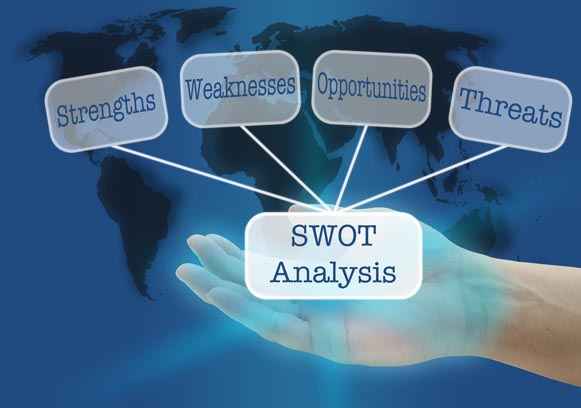
Strengths: Leveraging What You Do Best
In your marketing plan, strengths should be emphasized and communicated clearly. For instance, if customer service is a key strength, your campaigns should reflect testimonials or satisfaction ratings to reinforce trust and credibility.
To identify strengths, evaluate what makes your business successful. What do customers consistently praise? What advantages do you hold over competitors? By defining these qualities, you can build a marketing narrative that aligns with your brand identity and earns attention.
Weaknesses: Recognizing and Improving Internal Gaps
An honest evaluation of your business's weaknesses helps you avoid overpromising or targeting markets that you're not equipped to serve. It also informs your messaging-ensuring you set realistic expectations with potential customers.
Addressing weaknesses can also inspire strategic marketing improvements. For example, if one of your weaknesses is poor SEO performance, then developing an optimized content strategy becomes a priority within the marketing plan.
Opportunities: Spotting Paths for Growth
When analyzing opportunities, it's vital to stay up to date with industry news, consumer behavior, and economic patterns. For example, a growing interest in eco-friendly products presents an opportunity for brands with sustainable offerings to reposition and stand out.
Threats: Preparing for External Challenges
Identifying threats helps you develop contingency plans and remain proactive. For example, if a new competitor enters your market with a lower price model, your marketing plan might need to emphasize your brand's superior quality or customer service instead of trying to compete on price.
By anticipating threats, you can adjust your marketing tactics to reduce risks and maintain brand relevance even during turbulent times. Understanding these risks keeps your team vigilant and prepared.
How to Conduct a SWOT Analysis Effectively
Gather a cross-functional team: Include voices from marketing, sales, customer support, and operations to ensure a comprehensive view.Use real data: Back up your points with sales reports, customer feedback, market trends, and competitor analysis.Prioritize elements: Focus on the most impactful strengths, weaknesses, opportunities, and threats to keep your analysis actionable.Review and update regularly: Your SWOT analysis should evolve as your business and market change.
Applying SWOT Insights to Your Marketing Plan
The true power of a SWOT analysis lies in how you apply the insights. By aligning strengths with opportunities, you can develop marketing campaigns that play to your advantages and tap into emerging trends.
At the same time, understanding weaknesses and threats allows you to avoid risks and allocate your marketing budget where it's most likely to generate ROI. This helps in setting realistic KPIs and developing strategies that are both ambitious and achievable.
Your SWOT findings should influence everything from your positioning strategy and content marketing approach to your social media messaging and ad targeting. The better the alignment, the more consistent and effective your marketing plan becomes.
Benefits of Incorporating SWOT into Your Strategy
Conducting a SWOT analysis enhances strategic clarity. It ensures that all stakeholders understand the internal and external landscape your business operates in. This shared perspective leads to better team collaboration and goal setting.
Lastly, it fosters adaptability. As your business grows and evolves, your SWOT analysis becomes a living document that helps you pivot, scale, or shift strategies without losing focus or coherence.
Common Pitfalls to Avoid in SWOT Analysis
- Listing too many items and losing focus.
- Overestimating strengths without data to support them.
- Failing to act on the findings.
- Using outdated or irrelevant information.
- Overlooking customer and market perspectives.
Avoiding these pitfalls requires discipline and periodic review. Your SWOT analysis should be specific, evidence-based, and closely tied to actionable marketing strategies.
Conclusion: Making SWOT a Strategic Habit
A SWOT analysis is not a one-time task, but an ongoing practice that helps keep your marketing plan dynamic and informed. By evaluating your internal capabilities and external environment regularly, your business stays agile and competitive.
In the end,


Popular Posts
May 2026


No One Teaches You How to Compete With Giants
When you're starting a small business, no one hands you a .. ..
When you're starting a small business, no one hands you a manual on how to stand toe-to-toe with industry titans. .. ..
READ NOW


Identifying and Cutting Non-Essential Expenses Post-Crisis
Small businesses often face immense financial pressure after a crisis, whether .. ..
READ NOW


Smart Spending Habits That Beat Rising Prices
With the cost of living steadily climbing, smart spending habits have .. ..
READ NOW


Ensuring Consistent Customer Service in Busy Times
During busy periods, maintaining consistent customer service becomes increasingly challenging yet .. ..
READ NOW


Reducing Fraud and Errors in Financial Transactions With Blockchain
Financial transactions are the backbone of the global economy, facilitating the .. ..
READ NOW


Using User-Generated Content to Build Trust and Save Money
For small businesses operating on tight budgets, authenticity and cost-efficiency are .. ..
READ NOW


How to Use Micro-Influencers to Amplify Your Small Business Brand
In the fast-evolving world of digital marketing, small businesses are constantly .. ..
READ NOW


The Role of Scalability in Startups vs Small Businesses
Scalability plays a crucial role in defining the paths and strategies .. ..
READ NOW


Why Customer Feedback Is Your Best Guide When You're Lost
When business leaders find themselves uncertain or lost in their decision-making, .. ..
READ NOW


How Small Businesses Can Thrive Despite Inflation and Interest Rate Challenges
In today's fluctuating economic environment, small businesses face unique challenges brought .. ..
READ NOW


