Fill Invoice
FREE INVOICE GENERATOR
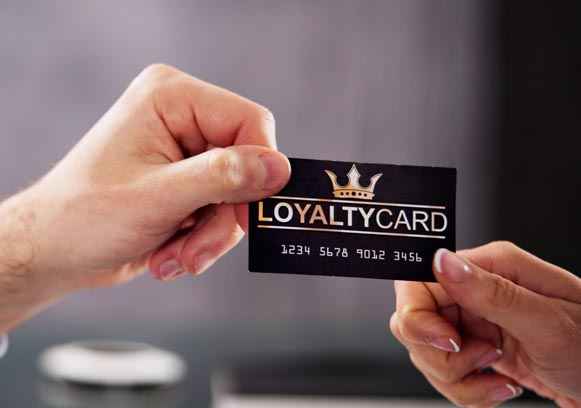
Creating Loyalty Programs That Encourage Repeat Purchases

Posted On 2026-03-21
Understanding the Value of Loyalty Programs
Loyalty programs serve as a bridge between businesses and customers by offering tangible benefits in exchange for ongoing engagement. They help increase customer lifetime value by encouraging more frequent purchases and higher spend per transaction. Moreover, loyal customers often become brand advocates, promoting your business through word-of-mouth.
Besides boosting sales, loyalty programs also provide valuable data about customer preferences and habits. This information can be leveraged to tailor marketing efforts and personalize offers, further strengthening customer loyalty and increasing the chances of repeat business.
Benefits of Loyalty Programs for Businesses and Customers
Increased Repeat Purchases: Rewards motivate customers to return regularly.Higher Customer Lifetime Value: Loyal customers spend more over time.Better Customer Insights: Programs collect data on purchasing behavior.Competitive Advantage: Differentiates your brand in a crowded market.Enhanced Customer Relationships: Builds emotional connections with the brand.
Designing Reward Structures That Motivate
Points-based systems, where customers earn points per purchase redeemable for discounts or products, are popular and easy to understand. Tiered programs that offer increasing benefits for higher spending levels add a gamification element, motivating customers to reach the next level for better rewards.
Popular Reward Structures and Their Advantages
Points-Based Rewards: Simple to track and redeem, appealing to most customers.Tiered Programs: Encourage higher spending by unlocking exclusive perks.Cashback Offers: Provide tangible savings on future purchases.Exclusive Access: Early product releases or members-only sales create excitement.Non-Monetary Rewards: Recognition, badges, or VIP experiences build emotional loyalty.
Personalizing Loyalty Programs for Better Engagement
Segmentation allows you to offer targeted promotions based on customer demographics, shopping behavior, and purchase frequency. Personalized recommendations within the loyalty program can also encourage customers to explore new products and make repeat purchases.
Strategies for Personalizing Loyalty Experiences
Segment Customers: Group users by behavior, value, or demographics for targeted offers.Send Personalized Communications: Use email or app notifications with relevant rewards.Recommend Products Based on History: Suggest items similar to previous purchases.Offer Birthday or Anniversary Rewards: Celebrate milestones to deepen emotional bonds.Adapt Reward Options: Let customers choose between different types of rewards.
Making the Program Easy to Join and Use
Providing multiple access points such as websites, mobile apps, and in-store kiosks allows customers to interact with the program in the way that suits them best. Additionally, ensuring rewards are easy to redeem without cumbersome restrictions or hidden rules encourages repeat purchases.
Tips to Simplify Loyalty Program Participation
Streamline Sign-Up: Use minimal information and quick registration processes.Clearly Explain Program Benefits: Use simple language and visuals to educate customers.Offer Multiple Redemption Channels: Allow online, mobile, and in-store use.Provide Real-Time Point Tracking: Enable customers to see their status anytime.Limit Exclusions and Fine Print: Make terms straightforward and transparent.
Promoting Your Loyalty Program Effectively
In-store signage, website banners, social media campaigns, and email marketing all play important roles in promotion. Additionally, training frontline staff to inform customers about the program during purchase or support interactions can significantly boost enrollment.
Effective Ways to Market Loyalty Programs
Use Email Marketing: Announce programs and send personalized invitations.Leverage Social Media: Share success stories, rewards, and exclusive offers.Promote at Point of Sale: Inform customers during checkout or support calls.Create Referral Incentives: Encourage existing members to invite friends.Run Limited-Time Promotions: Create urgency to join and participate.
Measuring Success and Continuously Improving
Soliciting feedback directly from program members provides qualitative insights that can inform future changes. Regularly refreshing the program with new rewards, features, and communication keeps it engaging and prevents customer fatigue.
Metrics and Feedback for Program Optimization
Enrollment Rate: Percentage of customers joining the program.Repeat Purchase Rate: Frequency of return purchases among members.Average Order Value (AOV): How much members spend compared to non-members.Customer Lifetime Value (CLV): Total revenue generated from loyal customers.Member Feedback: Surveys and reviews about the program experience.
Conclusion
Effective promotion and ongoing program optimization ensure your loyalty program remains relevant and appealing. When done right, loyalty programs become powerful drivers of repeat business, brand advocacy, and sustained growth.


Popular Posts
May 2026


No One Teaches You How to Compete With Giants
When you're starting a small business, no one hands you a .. ..
When you're starting a small business, no one hands you a manual on how to stand toe-to-toe with industry titans. .. ..
READ NOW


Identifying and Cutting Non-Essential Expenses Post-Crisis
Small businesses often face immense financial pressure after a crisis, whether .. ..
Small businesses often face immense financial pressure after a crisis, whether it is a natural disaster, economic downturn, or a .. ..
READ NOW


Ensuring Consistent Customer Service in Busy Times
During busy periods, maintaining consistent customer service becomes increasingly challenging yet .. ..
READ NOW


Reducing Fraud and Errors in Financial Transactions With Blockchain
Financial transactions are the backbone of the global economy, facilitating the .. ..
READ NOW


Using User-Generated Content to Build Trust and Save Money
For small businesses operating on tight budgets, authenticity and cost-efficiency are .. ..
READ NOW


How to Use Micro-Influencers to Amplify Your Small Business Brand
In the fast-evolving world of digital marketing, small businesses are constantly .. ..
READ NOW


The Role of Scalability in Startups vs Small Businesses
Scalability plays a crucial role in defining the paths and strategies .. ..
READ NOW


Why Customer Feedback Is Your Best Guide When You're Lost
When business leaders find themselves uncertain or lost in their decision-making, .. ..
READ NOW


How Small Businesses Can Thrive Despite Inflation and Interest Rate Challenges
In today's fluctuating economic environment, small businesses face unique challenges brought .. ..
READ NOW


Smart Spending Habits That Beat Rising Prices
With the cost of living steadily climbing, smart spending habits have .. ..
READ NOW


