Fill Invoice
FREE INVOICE GENERATOR
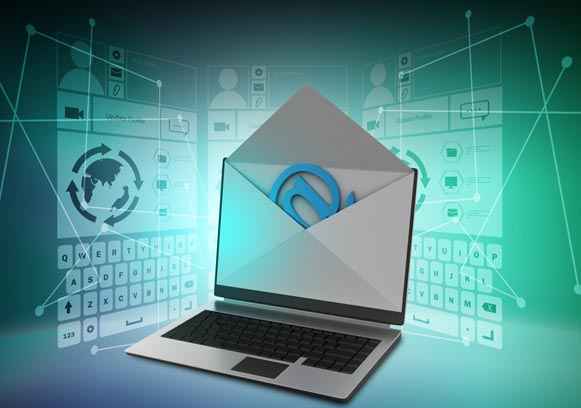
Email Marketing Tips To Engage And Convert Customers

Posted On 2026-04-08
1. Build a Quality Email List
The foundation of any successful email marketing campaign is a quality email list. Rather than buying generic email lists, focus on organically growing a list of subscribers who have expressed genuine interest in your products or services. These engaged contacts are far more likely to open your emails, interact with your content, and convert.
Start by creating compelling lead magnets such as free guides, discounts, or exclusive content that encourage visitors to subscribe. Prominently feature signup forms on your website, blog, and social media profiles. Make the subscription process simple and transparent, explaining clearly what kind of content subscribers will receive and how often.
Key list-building tactics:
Use pop-ups and embedded forms to capture visitor emails effectively.Offer valuable incentives like discounts or exclusive content.Leverage social media to promote your email signup.Ask for referrals from current subscribers to expand your reach.
2. Craft Compelling Subject Lines
Your email subject line is the first impression and the deciding factor for whether your email gets opened. Crafting compelling subject lines is crucial to boost your open rates and start the engagement process on the right note.
Effective subject lines are concise, clear, and invoke curiosity or urgency without being clickbait. Personalization, such as including the recipient's first name or referencing their interests, can significantly increase open rates. Additionally, experimenting with emojis or power words can make your subject lines stand out in crowded inboxes.
Tips for writing engaging subject lines:
Keep it under 50 characters to ensure visibility on mobile devices.Create a sense of urgency or exclusivity to motivate quick opens.Use questions to spark curiosity.Personalize whenever possible for relevance.
3. Personalize Content to Connect Emotionally
Personalization goes beyond addressing subscribers by their name. Tailoring your email content based on subscriber preferences, behavior, purchase history, or demographics fosters a deeper connection and relevance, which leads to higher engagement.
Segment your email list into meaningful groups and send targeted messages that address their specific needs or interests. For example, you might create separate campaigns for new subscribers, repeat customers, or prospects who abandoned a cart. Customized offers or content based on these segments will feel more thoughtful and timely.
Ways to personalize your emails:
Send birthday or anniversary emails to celebrate your customers.Recommend products or content based on previous behavior.Use behavioral triggers like cart abandonment or browsing history.Address pain points specific to each segment.
4. Design Mobile-Friendly and Visually Appealing Emails
With over half of emails opened on mobile devices, designing emails that look great and function well on all screen sizes is non-negotiable. Mobile-friendly emails improve user experience and reduce the likelihood of your email being deleted or ignored.
Use responsive design templates that automatically adjust layout and font sizes based on the device. Keep your design clean and simple with clear calls-to-action (CTAs) that stand out and are easy to tap on phones or tablets.
Design best practices:
Use a single-column layout for easier readability on small screens.Keep font sizes at least 14px for body text and 22px for headlines.Include clear, contrasting CTAs above the fold.Test your emails on multiple devices and email clients before sending.
5. Write Clear and Persuasive Calls-to-Action
The ultimate goal of many email campaigns is to get recipients to take a specific action-whether it's making a purchase, signing up for a webinar, or downloading a guide. Your call-to-action (CTA) needs to be crystal clear, persuasive, and easy to find.
Strong CTAs use action-oriented language that tells recipients exactly what to do, such as “Shop Now,” “Get Your Free Trial,” or “Download the Guide.” Use contrasting colors and buttons to make the CTA visually distinct and clickable.
CTA optimization tips:
Use urgency or scarcity to encourage immediate action.Make the CTA button large and thumb-friendly on mobile devices.Place CTAs strategically both near the top and bottom of the email.Test different wording and colors to improve click-through rates.
6. Test, Analyze, and Optimize Campaigns Regularly
Email marketing is an ongoing process of learning and improvement. Continuously testing different elements such as subject lines, send times, content formats, and CTAs can significantly boost your results over time.
A/B testing allows you to compare two versions of an email to see which performs better with your audience. This data-driven approach eliminates guesswork and helps you refine your strategy for maximum engagement and conversion.
Important metrics to track:
Open Rate: Percentage of recipients who opened your email.Click-Through Rate (CTR): Percentage who clicked on links.Conversion Rate: Percentage who completed desired action.Unsubscribe Rate: Percentage who opted out after the email.
Conclusion: Master Email Marketing to Engage and Convert
Email marketing, when executed thoughtfully, remains one of the most effective digital channels to engage customers and drive conversions. Building a high-quality list, crafting compelling subject lines, personalizing content, designing mobile-friendly emails, and using clear CTAs all contribute to powerful campaigns.
Consistent testing and optimization based on data will help you stay aligned with your audience's preferences and behaviors. By following these tips, you'll not only increase your email engagement but also build long-term customer relationships that translate into business growth.


Popular Posts
June 2026


Building a Community Online Without Feeling Overwhelmed
Creating and nurturing an online community can be a game-changer for .. ..
Creating and nurturing an online community can be a game-changer for small businesses. A strong community fosters loyal customers, encourages .. ..
READ NOW


How to Optimize Paid Advertising for Maximum ROI in 2025
Paid advertising in 2025 is evolving rapidly with the rise of .. ..
Paid advertising in 2025 is evolving rapidly with the rise of automation, AI, and increased data privacy regulations. Marketers are .. ..
READ NOW


Celebrating Wins and Planning for Long-Term Success
Recognizing and celebrating wins, no matter how big or small, is .. ..
Recognizing and celebrating wins, no matter how big or small, is crucial to maintaining motivation and fostering a positive environment. .. ..
READ NOW


Using Chatbots to Improve Customer Support and Sales
In the evolving digital landscape, businesses are constantly seeking ways to .. ..
READ NOW


5 Personal Finance Hacks That Make Investing Easier for Beginners
Investing can seem daunting for beginners, often clouded with complex jargon, .. ..
READ NOW


From Milestone to Meh: The Strange Psychology of Wins
Successes and wins, whether big or small, are often anticipated as .. ..
READ NOW

Using Marketing Automation to Streamline Strategy Execution
Marketing automation refers to the use of software platforms and technologies .. ..
READ NOW


Waste Not: Sustainable Product Design for Startups
In today's rapidly evolving market, startups have a unique opportunity to .. ..
READ NOW


4 Free Marketing Channels Every Beginner Should Try
Marketing is essential for any business, but for beginners, the cost .. ..
READ NOW

How Hybrid Finance Is Shaping the Future of Entrepreneurial Funding
Entrepreneurial funding has experienced a significant transformation in recent years, driven .. ..
READ NOW


