Fill Invoice
FREE INVOICE GENERATOR
Hiring A Designer For Your Brand? Here's What To Know First

Posted On 2026-04-17
Understanding the Role of a Brand Designer
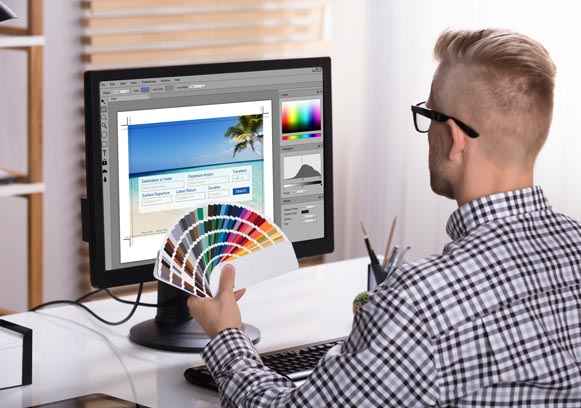
When you're building or evolving your brand, a professional designer plays a pivotal role in shaping how your business is perceived visually. Brand designers don't just create logos-they develop a comprehensive visual identity that captures your company's mission, values, and personality. This identity then becomes the foundation for all your marketing materials.
It's important to understand that brand design is a strategic process. Good designers don't just create pretty images; they craft visuals that solve business challenges and connect with your customers effectively.
Key responsibilities of a brand designer include:
- Researching your market and competitors.
- Developing logos, color palettes, typography, and graphic elements.
- Creating brand guidelines for consistent application.
- Collaborating with marketing and product teams.
- Adapting designs for various platforms and media.
Why You Should Define Your Brand Before Hiring
Before hiring a designer, you should have a clear understanding of your brand's identity. This clarity makes communication with your designer much more efficient and productive. Knowing your mission, values, target audience, and unique selling points gives your designer the context needed to create a design that truly fits.
Consider drafting a brand brief outlining your startup's vision, key messages, preferred style, and any existing materials. This brief serves as a reference point throughout the design process, ensuring both you and the designer stay aligned.
What to include in your brand brief:
- Company mission and values.
- Target audience demographics and preferences.
- Competitive landscape and differentiation.
- Preferred visual styles or inspirations.
- Project scope and deliverables.
How to Find the Right Designer for Your Startup
Finding a designer who understands your vision and has the skills to bring it to life is critical. Start by exploring portfolios to get a sense of different styles and approaches. Look for designers whose previous work aligns with the aesthetic and quality level you envision for your brand.
Keep in mind that the cheapest option isn't always the best. Investing in a quality designer can save time, reduce revisions, and create a more effective brand presence in the long term.
Steps to select your designer:
- Review portfolios for style and versatility.
- Check testimonials and client feedback.
- Interview candidates about your project.
- Discuss budget, timeline, and process.
- Choose someone whose communication style fits yours.
What to Expect During the Design Process
Understanding the typical stages of the design process helps set realistic expectations. Most branding projects begin with discovery and research, where the designer learns about your business, audience, and goals. This phase may include interviews, questionnaires, and competitor analysis.
Communication throughout the process is essential. Expect to provide feedback, ask questions, and clarify needs. The more engaged you are, the better the outcome. Keep in mind that quality design takes time; rushing can compromise results.
Typical stages in branding design:
- Discovery and research.
- Concept development and presentation.
- Revisions and refinement.
- Final deliverables and guidelines.
- Implementation support, if needed.
Common Pitfalls to Avoid When Hiring a Designer
Even with careful preparation, startups can encounter challenges during the hiring and design process. One common mistake is unclear communication. If you don't clearly articulate your expectations, goals, or feedback, the designer may produce work that misses the mark.
Lastly, some startups underestimate the importance of ongoing collaboration. Design is iterative; being open to constructive feedback and timely responses ensures smoother progress and a better final product.
How to avoid pitfalls:
- Prepare and share a detailed project brief.
- Use contracts covering scope, deadlines, and rights.
- Maintain clear, consistent communication.
- Be open to feedback and iterative changes.
- Clarify post-project support if needed.
Conclusion: Investing Wisely in Your Brand Design
Hiring a designer for your startup's brand is a crucial investment that impacts how your business is perceived and remembered. Understanding what a brand designer does, defining your brand clearly beforehand, and choosing the right professional sets the stage for success.
Ultimately, a well-designed brand identity is a powerful tool that helps your startup connect with customers, build trust, and grow sustainably. Knowing what to expect before you hire ensures that you get the best possible outcome from your design investment.


Popular Posts
June 2026


Building a Community Online Without Feeling Overwhelmed
Creating and nurturing an online community can be a game-changer for .. ..
Creating and nurturing an online community can be a game-changer for small businesses. A strong community fosters loyal customers, encourages .. ..
READ NOW


How to Optimize Paid Advertising for Maximum ROI in 2025
Paid advertising in 2025 is evolving rapidly with the rise of .. ..
Paid advertising in 2025 is evolving rapidly with the rise of automation, AI, and increased data privacy regulations. Marketers are .. ..
READ NOW


Celebrating Wins and Planning for Long-Term Success
Recognizing and celebrating wins, no matter how big or small, is .. ..
Recognizing and celebrating wins, no matter how big or small, is crucial to maintaining motivation and fostering a positive environment. .. ..
READ NOW


Using Chatbots to Improve Customer Support and Sales
In the evolving digital landscape, businesses are constantly seeking ways to .. ..
In the evolving digital landscape, businesses are constantly seeking ways to enhance user experiences and streamline operations. One of the .. ..
READ NOW


5 Personal Finance Hacks That Make Investing Easier for Beginners
Investing can seem daunting for beginners, often clouded with complex jargon, .. ..
READ NOW

Using Marketing Automation to Streamline Strategy Execution
Marketing automation refers to the use of software platforms and technologies .. ..
READ NOW


Waste Not: Sustainable Product Design for Startups
In today's rapidly evolving market, startups have a unique opportunity to .. ..
READ NOW

4 Free Marketing Channels Every Beginner Should Try
Marketing is essential for any business, but for beginners, the cost .. ..
READ NOW


From Milestone to Meh: The Strange Psychology of Wins
Successes and wins, whether big or small, are often anticipated as .. ..
READ NOW

How Hybrid Finance Is Shaping the Future of Entrepreneurial Funding
Entrepreneurial funding has experienced a significant transformation in recent years, driven .. ..
READ NOW


