Fill Invoice
FREE INVOICE GENERATOR
How Biometric Authentication Is Enhancing Online Security

Posted On 2026-01-25
Types of Biometric Authentication and Their Applications
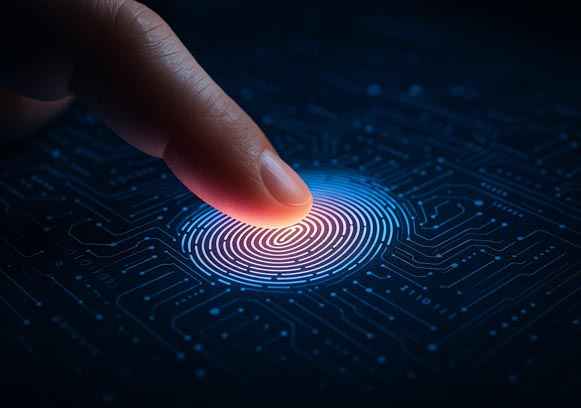
Biometric authentication encompasses various modalities, each leveraging unique human characteristics to confirm identity. Fingerprint recognition is one of the most common and mature methods, widely used in smartphones and laptops. It scans the ridges and patterns on fingertips to match stored templates, providing fast and accurate access control.
Voice recognition analyzes vocal patterns, cadence, and tone to verify identity. It is used in call centers, virtual assistants, and banking systems to enable secure, hands-free authentication. Behavioral biometrics-such as keystroke dynamics, mouse movements, and gait analysis-track user behavior patterns that are difficult to replicate, offering continuous authentication beyond initial login.
Security Advantages of Biometric Authentication
One of the primary benefits of biometric authentication is that it is inherently tied to the individual, making it extremely difficult to forge or steal. Unlike passwords, which can be guessed, shared, or phished, biometric data is unique and non-transferable. This dramatically reduces the risk of unauthorized access and identity theft.
Additionally, biometric systems enhance multi-factor authentication by combining “something you are” with “something you know” (password) or “something you have” (device). This layered approach strengthens defenses and complies with regulatory requirements for sensitive industries like finance and healthcare.
Moreover, biometric verification is fast and user-friendly, encouraging adoption and reducing password fatigue that often leads to risky user behavior like weak or reused passwords. This ease of use helps organizations maintain security without compromising customer experience.
Challenges and Privacy Considerations
Data Storage Security: Biometric data is sensitive; if compromised, it cannot be changed like a password, so secure storage and encryption are critical.False Positives and Negatives: No biometric system is perfect; errors can either block legitimate users or allow unauthorized access, requiring fine-tuning and fallback mechanisms.Accessibility and Inclusivity: Some biometric systems may not work equally well for all users due to physical differences or disabilities.Privacy Concerns: Collection and use of biometric data raise ethical and legal questions regarding consent and surveillance.Regulatory Compliance: Organizations must navigate laws like GDPR and CCPA that govern biometric data handling.
Future Trends and Innovations in Biometric Authentication
Advances in AI and machine learning will further improve accuracy, reducing false rejections and allowing systems to adapt to changes such as aging or injuries. Emerging techniques like vein pattern recognition and multispectral imaging provide even higher levels of security.
Integration with decentralized identity frameworks and blockchain technology promises to enhance privacy and user control over biometric data. Users could selectively share biometric proofs without exposing raw data, mitigating privacy risks.
As biometric authentication becomes mainstream, it will increasingly combine with other authentication factors and context-aware signals, such as location and device fingerprinting, to create adaptive security systems that respond dynamically to risk levels.


Popular Posts
June 2026


Building a Community Online Without Feeling Overwhelmed
Creating and nurturing an online community can be a game-changer for .. ..
Creating and nurturing an online community can be a game-changer for small businesses. A strong community fosters loyal customers, encourages .. ..
READ NOW


How to Optimize Paid Advertising for Maximum ROI in 2025
Paid advertising in 2025 is evolving rapidly with the rise of .. ..
READ NOW


Celebrating Wins and Planning for Long-Term Success
Recognizing and celebrating wins, no matter how big or small, is .. ..
READ NOW


Using Chatbots to Improve Customer Support and Sales
In the evolving digital landscape, businesses are constantly seeking ways to .. ..
READ NOW


5 Personal Finance Hacks That Make Investing Easier for Beginners
Investing can seem daunting for beginners, often clouded with complex jargon, .. ..
READ NOW


Using Marketing Automation to Streamline Strategy Execution
Marketing automation refers to the use of software platforms and technologies .. ..
READ NOW


Waste Not: Sustainable Product Design for Startups
In today's rapidly evolving market, startups have a unique opportunity to .. ..
READ NOW

4 Free Marketing Channels Every Beginner Should Try
Marketing is essential for any business, but for beginners, the cost .. ..
READ NOW


From Milestone to Meh: The Strange Psychology of Wins
Successes and wins, whether big or small, are often anticipated as .. ..
READ NOW


How Hybrid Finance Is Shaping the Future of Entrepreneurial Funding
Entrepreneurial funding has experienced a significant transformation in recent years, driven .. ..
READ NOW


