Fill Invoice
FREE INVOICE GENERATOR
How Pop-Up Events Can Supercharge Local Brand Awareness

Posted On 2026-02-12
Why Pop-Up Events Are Powerful for Local Brand Awareness
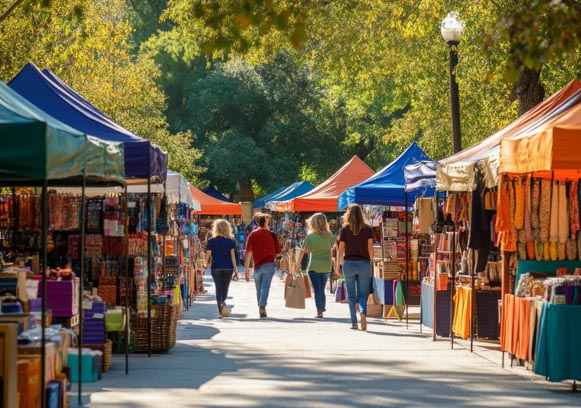
Pop-up events create buzz by offering something fresh, exclusive, and limited-time, which naturally draws attention. Unlike standard advertising channels, pop-ups enable personal, real-time interactions between brands and customers, building emotional connections and trust.
Small businesses benefit from this direct engagement because it turns passive observers into active participants. Customers can experience products firsthand, ask questions, and receive immediate feedback, strengthening brand recall and loyalty.
Additional Advantages of Pop-Up Events
Pop-ups allow businesses to test new markets or products with minimal risk and investment. They also provide an opportunity to collect valuable customer data and feedback in a natural setting.
These events can create a sense of urgency with limited availability, encouraging quick decision-making and purchases. Plus, partnering with other local businesses or influencers can expand exposure and enhance community ties.
Overall, pop-ups combine marketing, sales, and community engagement into one powerful activity that energizes local brand presence.
Planning a Successful Pop-Up Event: Essential Considerations
Careful planning is the backbone of a successful pop-up event. It starts with defining clear goals-whether to increase brand visibility, launch a product, or generate sales leads. Knowing the purpose guides all other decisions.
Additionally, setting a budget that covers venue costs, staffing, marketing, and supplies ensures smooth execution without unexpected financial strain. Planning timelines and contingency measures helps manage the event effectively.
Key Planning Steps to Follow
Identify Your Target Audience: Understand who you want to attract and tailor the event accordingly.Select the Ideal Date and Duration: Consider local events, holidays, and customer availability.Design Engaging Activities: Plan interactive elements that encourage participation and sharing.Secure Permits and Insurance: Ensure legal compliance to avoid disruptions.Promote the Event: Use social media, email marketing, flyers, and local media to spread the word.
Creative Ideas to Maximize Impact and Engagement
Consider incorporating live demonstrations or workshops related to your products or services. This educates customers while providing memorable hands-on experiences that differentiate your brand.
Offering exclusive discounts or limited-edition products only available at the pop-up incentivizes attendance and purchases. Live entertainment, giveaways, and photo opportunities can also enhance atmosphere and encourage social media sharing.
Examples of Effective Pop-Up Concepts
Product Sampling Stations: Let customers try before they buy, fostering trust.Themed Experiences: Align décor and activities with your brand story or seasonal events.Collaborative Pop-Ups: Partner with other local businesses to share costs and audiences.Interactive Workshops: Teach skills or crafts that relate to your offerings.Social Media Contests: Encourage attendees to post using a hashtag for prizes.
Utilizing Technology to Enhance Your Pop-Up Event
Mobile payment solutions reduce friction at checkout and improve convenience. Live social media feeds and event-specific apps engage attendees and expand reach beyond the physical location.
Additionally, collecting feedback digitally during or immediately after the event enables real-time improvements and demonstrates customer care.
Tech Tools and Techniques for Pop-Ups
Event Registration Platforms: Simplify RSVPs and capacity planning.QR Codes: Provide quick access to product info or promotional offers.Social Media Integration: Display live posts or run contests to boost interaction.Mobile Payment Systems: Enable contactless and fast transactions.Feedback Apps: Collect insights via surveys or polls on-site.
Measuring Success and Leveraging Results Post-Event
Gathering customer feedback offers qualitative data on what worked well and areas needing improvement. Tracking how many attendees convert into repeat customers or join your mailing list helps evaluate long-term brand awareness growth.
Post-event follow-ups via email or social media thank-yous deepen relationships and keep the momentum going.
Effective Metrics to Track
Number of Attendees: Measure overall reach and interest.Sales and Revenue: Quantify immediate financial impact.Social Media Mentions and Shares: Assess brand buzz and virality.Customer Feedback Scores: Understand satisfaction and experience quality.Lead Capture and Conversion Rates: Track growth of your customer base.
Challenges and Best Practices to Ensure Success
Best practices include training staff thoroughly, having backup plans for outdoor events, and maintaining clear communication channels among the team. Engaging customers with authenticity and enthusiasm is equally important to leave a lasting positive impression.
Documenting lessons learned and conducting post-mortem meetings help improve future events and overall marketing strategies.
Tips to Overcome Common Obstacles
Prepare for Weather Contingencies: Have tents or indoor alternatives ready.Train a Knowledgeable, Friendly Team: Ensure excellent customer service.Set Realistic Budgets: Include a buffer for unforeseen expenses.Engage Local Community Leaders: Garner support and increase credibility.Promote Early and Often: Build anticipation well before the event date.
Conclusion: Pop-Up Events as a Catalyst for Local Brand Growth
With careful planning, creative execution, and strategic follow-up, pop-ups transform from simple marketing activities into powerful brand-building tools. They enable small businesses to stand out in crowded markets, test ideas in real time, and nurture lasting relationships with local customers.
Investing in pop-up events is investing in your brand's future - a future where authentic connections and memorable experiences pave the way to sustainable growth and success.


Popular Posts
June 2026


Building a Community Online Without Feeling Overwhelmed
Creating and nurturing an online community can be a game-changer for .. ..
Creating and nurturing an online community can be a game-changer for small businesses. A strong community fosters loyal customers, encourages .. ..
READ NOW


How to Optimize Paid Advertising for Maximum ROI in 2025
Paid advertising in 2025 is evolving rapidly with the rise of .. ..
Paid advertising in 2025 is evolving rapidly with the rise of automation, AI, and increased data privacy regulations. Marketers are .. ..
READ NOW


Celebrating Wins and Planning for Long-Term Success
Recognizing and celebrating wins, no matter how big or small, is .. ..
Recognizing and celebrating wins, no matter how big or small, is crucial to maintaining motivation and fostering a positive environment. .. ..
READ NOW


Using Chatbots to Improve Customer Support and Sales
In the evolving digital landscape, businesses are constantly seeking ways to .. ..
READ NOW


5 Personal Finance Hacks That Make Investing Easier for Beginners
Investing can seem daunting for beginners, often clouded with complex jargon, .. ..
READ NOW


From Milestone to Meh: The Strange Psychology of Wins
Successes and wins, whether big or small, are often anticipated as .. ..
READ NOW


Using Marketing Automation to Streamline Strategy Execution
Marketing automation refers to the use of software platforms and technologies .. ..
READ NOW


Waste Not: Sustainable Product Design for Startups
In today's rapidly evolving market, startups have a unique opportunity to .. ..
READ NOW

4 Free Marketing Channels Every Beginner Should Try
Marketing is essential for any business, but for beginners, the cost .. ..
READ NOW


How Hybrid Finance Is Shaping the Future of Entrepreneurial Funding
Entrepreneurial funding has experienced a significant transformation in recent years, driven .. ..
READ NOW


