Fill Invoice
FREE INVOICE GENERATOR
How Property Type Impacts Your Small Business Growth

Posted On 2025-09-22
Operational Flexibility and Suitability
Choosing a property type that fits your operational needs allows you to run your business efficiently and deliver quality service or products without frequent disruptions or costly retrofits. Properties that don't align well with your business requirements can hinder productivity, frustrate employees, and cause unexpected expenses.
Key Aspects of Operational Flexibility
Operational flexibility is about how well the property supports your business functions both now and as you grow. Some properties offer easier customization options or the possibility to subdivide or combine spaces.
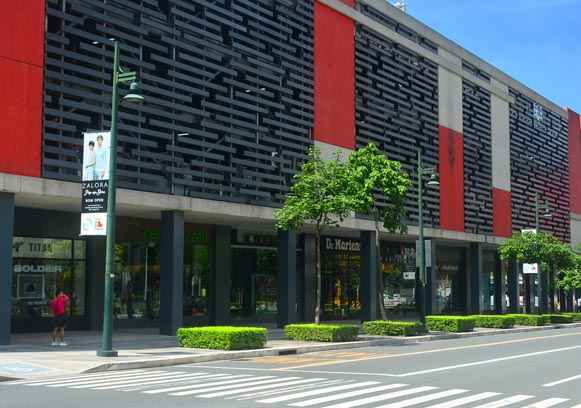
Retail locations often have prime visibility but may limit backend operations, while industrial spaces provide extensive functional layouts but can lack aesthetics needed for customer-facing businesses. Evaluating your workflow, equipment needs, and customer interaction points helps determine the best property type.
Choosing property with adaptable infrastructure can save you from relocating as your operations evolve, which can be costly and disruptive.
Cost Implications of Different Property Types
Office spaces fall somewhere in between, with costs varying greatly depending on location, building class, and amenities. Mixed-use properties can offer flexible lease terms but sometimes involve shared costs or management fees that affect overall expenses.
Factors Affecting Property Costs
Location: High-traffic areas drive up retail rents but benefit brand exposure.Property Age and Condition: Older properties may have lower rent but higher maintenance.Utilities and Operational Costs: Industrial spaces often require more energy, increasing costs.Lease Terms: Longer leases may reduce monthly payments but reduce flexibility.Additional Fees: Common area maintenance and property management fees can add up.
Impact on Customer Access and Experience
On the other hand, office properties might be better suited for businesses with scheduled appointments or B2B clients, where ease of parking and professional environment take precedence over foot traffic. Industrial properties generally cater less to customers on-site and more to logistical efficiency.
Understanding your customers' preferences and behaviors is essential when considering property type. A mismatch between property type and customer expectations can lead to poor sales performance and a weakened brand reputation.
Creating a Positive Customer Environment
Customer experience involves more than just location - the ambiance, accessibility, and convenience matter. Retail spaces can be designed to maximize product exposure and encourage browsing, whereas office environments focus on professionalism and privacy.
Scalability and Long-Term Growth Potential
For example, industrial properties often allow for expansion by leasing adjacent units or increasing storage space. Mixed-use developments might offer opportunities to diversify services or add complementary businesses. Conversely, retail spaces in fixed-size storefronts might require relocation or costly renovations to grow.
Long-term growth involves anticipating your future needs and selecting properties that support evolution without frequent disruptions or large capital expenditures.
Planning for Future Needs
Understanding zoning laws, property development plans, and neighborhood trends can help predict which property types offer the best prospects for your business's future.
Regulatory and Compliance Considerations
Retail and office properties face building codes, fire safety standards, and accessibility laws like the ADA. Compliance with these regulations is essential to avoid penalties and interruptions that could stall growth.
Understanding which property type aligns best with your industry's regulatory environment reduces risks and supports smoother scaling.
Managing Compliance Efficiently
Environmental permits: Critical for industrial and manufacturing sites.Fire and safety codes: Apply broadly but vary by property type and use.Accessibility standards: Required in retail and office properties.Zoning regulations: Determine allowable property uses and expansions.
Technology Infrastructure and Modern Amenities
Industrial properties may need specialized power supplies, ventilation, or heavy machinery hookups. The type of property influences the ease and cost of integrating modern technology that enhances productivity and customer experience.
Choosing a property that supports current and future technological needs positions your business to remain competitive.
Investing in Upgrades
Some older properties might require significant upgrades to meet technological demands. Weighing the costs and benefits of such investments versus finding a modern space is crucial.
Additionally, properties that facilitate energy efficiency and sustainable operations can reduce long-term costs and appeal to environmentally conscious customers.
Conclusion
From retail spaces that maximize visibility to industrial properties that support production, the right property type enables your business to thrive in competitive markets. Incorporating considerations such as flexibility, cost, compliance, and technology ensures your choice supports both immediate needs and future ambitions.
Ultimately, selecting the ideal property type is a strategic decision-one that can open doors to new opportunities, boost profitability, and fuel long-term success.


Popular Posts
June 2026


Building a Community Online Without Feeling Overwhelmed
Creating and nurturing an online community can be a game-changer for .. ..
Creating and nurturing an online community can be a game-changer for small businesses. A strong community fosters loyal customers, encourages .. ..
READ NOW


From Milestone to Meh: The Strange Psychology of Wins
Successes and wins, whether big or small, are often anticipated as .. ..
Successes and wins, whether big or small, are often anticipated as moments of triumph and celebration. Yet, for many people, .. ..
READ NOW


How to Optimize Paid Advertising for Maximum ROI in 2025
Paid advertising in 2025 is evolving rapidly with the rise of .. ..
Paid advertising in 2025 is evolving rapidly with the rise of automation, AI, and increased data privacy regulations. Marketers are .. ..
READ NOW


Celebrating Wins and Planning for Long-Term Success
Recognizing and celebrating wins, no matter how big or small, is .. ..
READ NOW


Using Chatbots to Improve Customer Support and Sales
In the evolving digital landscape, businesses are constantly seeking ways to .. ..
READ NOW


5 Personal Finance Hacks That Make Investing Easier for Beginners
Investing can seem daunting for beginners, often clouded with complex jargon, .. ..
READ NOW


How Content Marketing Drives Long-Term E-Commerce Growth
Content marketing is the process of creating and distributing valuable, relevant .. ..
READ NOW


Using Marketing Automation to Streamline Strategy Execution
Marketing automation refers to the use of software platforms and technologies .. ..
READ NOW


Waste Not: Sustainable Product Design for Startups
In today's rapidly evolving market, startups have a unique opportunity to .. ..
READ NOW


4 Free Marketing Channels Every Beginner Should Try
Marketing is essential for any business, but for beginners, the cost .. ..
READ NOW


