Fill Invoice
FREE INVOICE GENERATOR
How Retailers Are Blending E-Commerce Into Their Storefront Strategy

Posted On 2026-04-17
The Changing Retail Landscape: Why Blending Matters
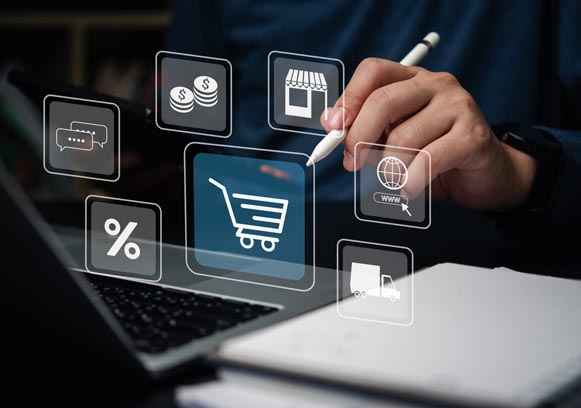
Retail is undergoing a profound transformation driven by the rise of e-commerce and changing consumer expectations. Physical stores alone no longer suffice in meeting the needs of today's shoppers, who demand seamless integration between online and offline channels. Retailers are thus compelled to rethink their storefront strategies by blending digital commerce with traditional retail.
This hybrid approach addresses the growing consumer preference for convenience, choice, and personalized experiences. It also helps brick-and-mortar businesses remain relevant in a competitive market that increasingly favors digital-first shopping models.
Key Drivers Behind the Blend
Changing consumer behavior: Expectations for seamless shopping experiences everywhere.Technology advances: Tools that enable real-time inventory and unified customer data.Competitive pressure: The need to differentiate from pure e-commerce or traditional rivals.Operational efficiency: Centralized management reduces costs and errors.Omnichannel loyalty: Creating unified rewards programs for repeat engagement.
Omnichannel Integration: The Heart of the Strategy
At the core of blending e-commerce into storefront strategies lies omnichannel integration. This approach ensures customers enjoy a consistent and fluid experience across all touchpoints, whether they shop online, via mobile, or in-store. Omnichannel integration connects disparate systems, inventory, and data, enabling retailers to offer services such as “buy online, pick up in store” (BOPIS) and easy returns.
A unified view of inventory across channels allows retailers to optimize stock levels, reduce overstock or out-of-stock issues, and fulfill orders more efficiently. Omnichannel integration also provides valuable insights into customer preferences and behavior, which can be leveraged to personalize marketing and improve service.
Omnichannel Features Driving Customer Satisfaction
Unified inventory visibility: Enables customers to see real-time stock levels across locations.Flexible fulfillment options: Including in-store pickup, curbside pickup, and ship-from-store.Consistent pricing and promotions: Across all channels to avoid customer confusion.Cross-channel loyalty programs: Reward points earned and redeemed both online and offline.Integrated customer service: Support accessible across platforms with shared history.
Technology Enablers: Bridging Digital and Physical
Technology is the critical enabler for blending e-commerce into storefront strategy. Advanced software solutions and hardware tools create the infrastructure needed for seamless customer experiences. Retailers invest in platforms that unify point-of-sale (POS), e-commerce, inventory, and customer relationship management (CRM) systems.
Cloud computing, AI, and big data analytics provide the backbone for real-time data synchronization and intelligent decision-making. Retailers can use these technologies to forecast demand, personalize offers, optimize supply chains, and manage workforce deployment effectively across all channels.
Examples of Tech Tools Empowering the Blend
Unified Commerce Platforms: Centralize management of sales, inventory, and customer data.Mobile POS Systems: Enable associates to assist customers anywhere in-store.Augmented Reality: Virtual try-ons and product demos enhance engagement.AI-Powered Personalization: Tailored recommendations across channels.Inventory Management Systems: Real-time tracking to optimize stock allocation.
Reimagining the In-Store Experience
Physical stores are evolving beyond simple points of sale into immersive brand experiences that complement e-commerce channels. Retailers blend digital tools within their storefronts to create engaging environments that encourage exploration and interaction.
Interactive kiosks, digital signage, and touchscreens enable customers to browse extended product catalogs beyond what is physically available on shelves. Mobile apps and QR codes connect in-store shoppers to online content, reviews, and social media, enriching the decision-making process.
Elements of Enhanced In-Store Experiences
Interactive product displays: Engaging customers with digital interfaces.Omnichannel assistance: Staff equipped with tablets for on-the-spot support.Mobile integration: In-store apps for personalized deals and navigation.Experiential marketing: Workshops, demos, and exclusive events.Customization stations: Allowing product personalization on site.
Fulfillment Innovations: Speed Meets Flexibility
Blending e-commerce with storefronts has revolutionized fulfillment strategies. Retailers are leveraging physical locations as fulfillment hubs, enabling faster delivery and convenient pickup options. The traditional store is no longer just a sales floor but a critical node in the supply chain.
Services such as BOPIS and curbside pickup cater to customers who want the speed of e-commerce with the immediacy of in-person collection. Ship-from-store models help retailers reduce shipping times and costs by utilizing inventory closer to the consumer.
Popular Fulfillment Models in the Blended Strategy
Buy Online, Pick Up In-Store (BOPIS): Fast, convenient customer pickup.Curbside Pickup: Contactless, time-saving option.Ship-from-Store: Leveraging store inventory for quicker delivery.Same-Day Delivery: Meeting high-speed consumer demands.Easy Returns & Exchanges: Seamless cross-channel return options.
Data-Driven Customer Insights
A blended e-commerce and storefront strategy generates vast amounts of data from multiple touchpoints. Retailers use advanced analytics to understand customer behavior, preferences, and purchase patterns better than ever before. This data-driven approach fuels smarter merchandising, marketing, and service strategies.
By integrating online and offline data, retailers create unified customer profiles, allowing personalized experiences that resonate regardless of channel. Predictive analytics helps forecast demand, optimize pricing, and tailor inventory allocation, improving both customer satisfaction and profitability.
Benefits of Data Integration in Blended Retail
Unified customer profiles: Holistic understanding of shopper journeys.Personalized marketing: Targeted offers across all channels.Optimized inventory: Stocking what customers want where they want it.Enhanced demand forecasting: Reducing overstock and stockouts.Improved customer retention: Loyalty programs tailored to individual behavior.
Challenges and Considerations
Despite the benefits, blending e-commerce into storefront strategies is complex and presents challenges. Retailers must navigate system integrations, data privacy concerns, and organizational change management to achieve true harmony between channels.
Maintaining consistent branding, pricing, and promotions across diverse platforms requires coordination and discipline. Additionally, investments in technology and staff training can be substantial, making the transition resource-intensive.
Common Challenges in Blending Strategies
Complex system integration: Aligning multiple platforms and databases.Data security and privacy: Compliance with regulations like GDPR.Change management: Training staff and adapting culture.Consistent omnichannel branding: Avoiding customer confusion.Cost and resource allocation: Balancing short-term investment with long-term gain.
Conclusion: A Unified Future for Retail
The fusion of e-commerce into storefront strategies represents the future of retail. By embracing omnichannel integration, leveraging technology, reimagining in-store experiences, and innovating fulfillment, retailers can deliver seamless, personalized, and convenient shopping journeys.
This blended approach not only meets the evolving expectations of modern consumers but also strengthens brand loyalty and operational efficiency. Retailers that invest thoughtfully in this integration will thrive in a landscape where digital and physical retail complement and enhance each other.


Popular Posts
June 2026


Building a Community Online Without Feeling Overwhelmed
Creating and nurturing an online community can be a game-changer for .. ..
Creating and nurturing an online community can be a game-changer for small businesses. A strong community fosters loyal customers, encourages .. ..
READ NOW


How to Optimize Paid Advertising for Maximum ROI in 2025
Paid advertising in 2025 is evolving rapidly with the rise of .. ..
Paid advertising in 2025 is evolving rapidly with the rise of automation, AI, and increased data privacy regulations. Marketers are .. ..
READ NOW


Celebrating Wins and Planning for Long-Term Success
Recognizing and celebrating wins, no matter how big or small, is .. ..
Recognizing and celebrating wins, no matter how big or small, is crucial to maintaining motivation and fostering a positive environment. .. ..
READ NOW


Using Chatbots to Improve Customer Support and Sales
In the evolving digital landscape, businesses are constantly seeking ways to .. ..
In the evolving digital landscape, businesses are constantly seeking ways to enhance user experiences and streamline operations. One of the .. ..
READ NOW


5 Personal Finance Hacks That Make Investing Easier for Beginners
Investing can seem daunting for beginners, often clouded with complex jargon, .. ..
READ NOW


Using Marketing Automation to Streamline Strategy Execution
Marketing automation refers to the use of software platforms and technologies .. ..
READ NOW


Waste Not: Sustainable Product Design for Startups
In today's rapidly evolving market, startups have a unique opportunity to .. ..
READ NOW


4 Free Marketing Channels Every Beginner Should Try
Marketing is essential for any business, but for beginners, the cost .. ..
READ NOW


From Milestone to Meh: The Strange Psychology of Wins
Successes and wins, whether big or small, are often anticipated as .. ..
READ NOW


How Hybrid Finance Is Shaping the Future of Entrepreneurial Funding
Entrepreneurial funding has experienced a significant transformation in recent years, driven .. ..
READ NOW


