Fill Invoice
FREE INVOICE GENERATOR
Monitoring Supply Chain Performance For Growth Sustainability

Posted On 2026-01-16
The Importance of a Resilient Supply Chain in Growth
A resilient supply chain is foundational for any business aiming to achieve sustainable growth. As businesses scale, their ability to deliver products and services consistently and on time becomes more critical. Without proper monitoring, small disruptions in the supply chain can have amplified effects on customer satisfaction and profitability.
Why Monitoring Supply Chain Metrics Is Crucial
Monitoring supply chain performance through key metrics offers clarity into the health and functionality of operations. These metrics provide actionable insights that help companies track logistics, production times, transportation costs, and supplier reliability. With data-backed decision-making, businesses can spot inefficiencies early and adapt before issues escalate.
Regular monitoring supports strategic planning and scalability. It allows for precise forecasting, cost management, and performance evaluation across different functions. This approach helps align supply chain operations with growth targets and business objectives, minimizing risks as the organization expands.
Core Metrics to Track in the Supply Chain
Some metrics highlight internal efficiency, while others reflect the impact on customer experience. The most effective supply chain monitoring systems use a blend of both. The goal is to ensure that every segment of the supply chain-from procurement to delivery-contributes positively to growth and sustainability.
Key supply chain performance metrics include:
Order Fulfillment Time: Measures the average time from order placement to delivery.Inventory Turnover Ratio: Indicates how quickly inventory is sold and replenished.Supply Chain Cost: Tracks total logistics and warehousing expenses.On-Time Delivery Rate: Assesses how reliably goods reach customers as promised.Supplier Performance: Evaluates consistency, quality, and timeliness from vendors.
Aligning Supply Chain with Business Goals
This alignment is not static; it requires ongoing review and communication between leadership and supply chain teams. Clear metrics create a feedback loop that helps adjust strategies, recalibrate expectations, and ensure that supply chain operations are contributing directly to growth initiatives.
The Role of Technology in Supply Chain Monitoring
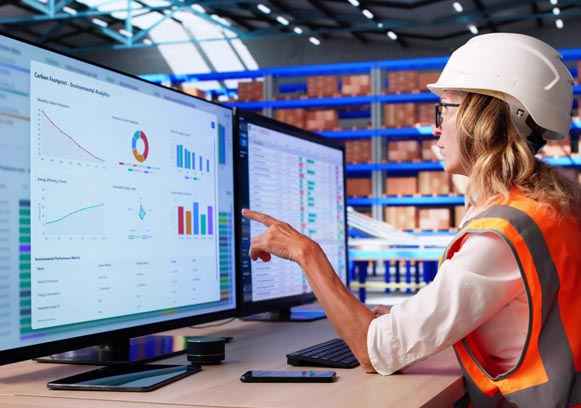
Technology plays a central role in modern supply chain monitoring. With the rise of cloud-based platforms, artificial intelligence, and data analytics, businesses can track performance metrics in real-time and forecast demand with greater accuracy. These tools reduce guesswork and provide transparency across the supply chain network.
For growing businesses, adopting technology also offers scalability. Platforms like ERP systems, IoT tracking, and digital dashboards streamline data collection and allow for better communication between partners and departments. This technological foundation is key to supporting growth while maintaining agility and control.
Evaluating Supplier Reliability and Impact on Growth
Through metrics such as lead time consistency, defect rate, and service responsiveness, businesses can determine which suppliers are reliable partners and which may pose risks. This data enables better negotiation, diversification of sourcing, and improved contract management-all of which are vital for long-term success.
Improving Customer Satisfaction Through Efficient Supply Chains
The end goal of any supply chain is to meet customer expectations. Delays, incorrect orders, or damaged goods reflect poorly on the brand and may hinder repeat business. By monitoring performance metrics that impact customer satisfaction, businesses can proactively address pain points and enhance service delivery.
Metrics like perfect order rate and return rate highlight the efficiency and reliability of the entire supply chain. As customer demands grow more sophisticated, supply chain excellence becomes a key differentiator. It helps retain loyal customers and attract new ones-fueling sustainable growth.
Minimizing Waste and Enhancing Resource Use
Analyzing waste also leads to environmental benefits, which can enhance brand reputation. A sustainable supply chain that conserves resources not only supports profitability but aligns with growing consumer and stakeholder expectations for responsible operations.
Strategies to minimize supply chain waste:
Just-in-time inventory systems to reduce excess stock.Regular vendor audits to ensure process efficiency.Automation of repetitive tasks to lower labor costs.Route optimization tools for better transportation planning.
Continuous Improvement for Long-Term Sustainability
Supply chain monitoring should be part of a larger continuous improvement initiative. Businesses that regularly review performance and adjust processes are better equipped to respond to change. Whether it's a new market opportunity or a global disruption, an agile supply chain helps maintain momentum.
Conclusion: Building a Supply Chain That Grows with You
Monitoring supply chain performance is no longer optional-it is a necessity for businesses that want to grow sustainably. From supplier relationships to delivery timelines and cost control, each element plays a role in long-term success. The right metrics provide the visibility needed to stay competitive, efficient, and responsive in a fast-paced environment.
By using technology, aligning with strategic goals, and continuously refining operations, businesses can ensure their supply chains are ready to support growth. A well-monitored supply chain doesn't just move products-it drives the future of the business.


Popular Posts
June 2026


Building a Community Online Without Feeling Overwhelmed
Creating and nurturing an online community can be a game-changer for .. ..
Creating and nurturing an online community can be a game-changer for small businesses. A strong community fosters loyal customers, encourages .. ..
READ NOW


How to Optimize Paid Advertising for Maximum ROI in 2025
Paid advertising in 2025 is evolving rapidly with the rise of .. ..
Paid advertising in 2025 is evolving rapidly with the rise of automation, AI, and increased data privacy regulations. Marketers are .. ..
READ NOW


Celebrating Wins and Planning for Long-Term Success
Recognizing and celebrating wins, no matter how big or small, is .. ..
READ NOW


Using Chatbots to Improve Customer Support and Sales
In the evolving digital landscape, businesses are constantly seeking ways to .. ..
READ NOW


5 Personal Finance Hacks That Make Investing Easier for Beginners
Investing can seem daunting for beginners, often clouded with complex jargon, .. ..
READ NOW


From Milestone to Meh: The Strange Psychology of Wins
Successes and wins, whether big or small, are often anticipated as .. ..
READ NOW

Using Marketing Automation to Streamline Strategy Execution
Marketing automation refers to the use of software platforms and technologies .. ..
READ NOW


Waste Not: Sustainable Product Design for Startups
In today's rapidly evolving market, startups have a unique opportunity to .. ..
READ NOW


4 Free Marketing Channels Every Beginner Should Try
Marketing is essential for any business, but for beginners, the cost .. ..
READ NOW


How Hybrid Finance Is Shaping the Future of Entrepreneurial Funding
Entrepreneurial funding has experienced a significant transformation in recent years, driven .. ..
READ NOW


