
Fill Invoice
FREE INVOICE GENERATOR
Planning For Sustainable Growth In A Trend-Driven Market

Posted On 2026-04-19
Understanding the Nature of Trend-Driven Markets
Trends often create short bursts of excitement and demand, but their lifespan can be unpredictable and sometimes fleeting. Companies that rely solely on chasing the latest trend risk instability and inconsistent performance.
Sustainable growth in a trend-driven market requires balancing agility with long-term planning. Businesses must anticipate shifts, innovate responsibly, and maintain core strengths to weather market fluctuations. This approach ensures that growth is not just rapid but also resilient.
Moreover, market players need to recognize that consumer behavior evolves beyond trends, reflecting deeper needs and values that can inform more lasting connections.
Building a Foundation That Supports Flexibility
Developing such a foundation involves investing in technology and talent that support rapid innovation and decision-making. It also means creating workflows that allow experimentation and iteration without disrupting core functions.
A flexible foundation enables businesses to test new ideas and adjust strategies based on real-time feedback. It also supports cross-functional collaboration, which is critical for responding holistically to trend-driven demands.
Importantly, flexibility must be balanced with discipline to ensure that experimentation aligns with overall business goals and brand values.
Key Components of a Flexible Foundation:
Scalable technology: Cloud platforms and automation to support growth.Agile teams: Cross-trained employees comfortable with change.Clear processes: Defined but adaptable workflows for efficiency.Data-driven culture: Using insights to guide quick adjustments.Strong leadership: Encouraging innovation while maintaining focus.
Aligning Innovation with Core Brand Values
Brands that balance trend responsiveness with authentic identity create deeper connections with customers. These customers are more likely to stay loyal even as trends change.
Strategic innovation means choosing trends that complement or enhance the brand's mission and strengths. It involves thoughtful evaluation of market opportunities, customer feedback, and competitive positioning.
By embedding innovation within a framework of values, companies can drive growth that is both exciting and sustainable.
Monitoring Market Signals and Consumer Feedback
Effective planning depends on ongoing market intelligence and listening to consumers. Tracking emerging trends, competitor moves, and changes in consumer sentiment helps businesses make informed decisions.
Using tools such as social listening, surveys, and analytics platforms allows companies to gather real-time feedback that can guide product development and marketing strategies.
Continuous monitoring fosters a proactive mindset, enabling businesses to anticipate shifts and adapt their approach well before trends fade.
Balancing Short-Term Wins with Long-Term Growth
While trends often offer opportunities for quick revenue boosts, focusing solely on short-term wins can jeopardize long-term success. Sustainable growth requires integrating trend-driven initiatives with strategies that build enduring value.
This balance involves investing in customer relationships, brand equity, and operational excellence alongside trend-related marketing or product launches.
By maintaining a dual focus, businesses can capitalize on the energy of trends while strengthening their market position. This approach mitigates risks associated with sudden changes in consumer interest or competitive dynamics.
Furthermore, long-term growth strategies typically involve building diversified revenue streams and exploring new markets informed by trend insights.
Strategies to Balance Short-Term and Long-Term Goals:
Invest in brand loyalty programs: Encourage repeat business beyond trend cycles.Maintain product quality: Ensure consistent value even in fast-paced launches.Allocate budget wisely: Combine trend marketing with foundational growth efforts.Plan for scalability: Prepare systems for both immediate demand and future expansion.Engage with customers: Build community and gather insights regularly.
Emphasizing Agility in Leadership and Decision-Making
Agile leadership involves clear communication, empowering teams, and maintaining alignment with business objectives even amid uncertainty.
Decisive leaders prioritize initiatives that align with both trend opportunities and long-term vision. They are comfortable pivoting when data indicates a shift is needed, yet cautious to avoid chasing every fleeting trend.
Moreover, leadership commitment to continuous learning helps embed agility across the organization.
Maintaining Consistent Brand Messaging During Trend Cycles
In the excitement of leveraging trends, brands can sometimes dilute or confuse their messaging. Maintaining consistent brand messaging is critical to building trust and recognition over time.
Consistent messaging ensures that even when marketing campaigns shift focus to current trends, the underlying brand promise remains clear to customers.
Brands that master this balance can use trends to refresh their image without losing authenticity.
Best Practices for Consistent Messaging:
Define core brand pillars: Use them as a reference for all communications.Train marketing teams: Ensure understanding of brand voice and values.Monitor campaigns: Review messaging for alignment with brand standards.Gather customer feedback: Check perceptions to avoid mixed signals.Plan transitions carefully: Prepare audiences for shifts in focus.
Conclusion: Navigating Trends with Sustainable Growth in Mind
Planning for sustainable growth in a trend-driven market requires a careful blend of flexibility, strategic innovation, and steadfast brand identity. While trends can offer exciting opportunities for quick wins and market visibility, they should never overshadow the need for a solid foundation and long-term vision.
Businesses that build operational agility, align innovation with values, listen deeply to customers, and maintain consistent messaging position themselves to thrive amid market fluctuations.
With thoughtful planning and execution, companies can harness trends as catalysts for growth that endure well beyond the hype.


Popular Posts
April 2026


Control Freaks Beware: Entrepreneurship Isn't All Power and Choice
Entrepreneurship is often glamorized as the ultimate expression of control-being the .. ..
Entrepreneurship is often glamorized as the ultimate expression of control-being the one who calls all the shots, makes every decision, .. ..
READ NOW
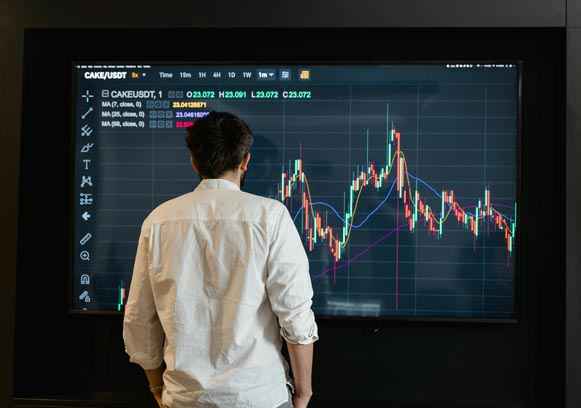

The Growing Importance of Real-Time Data in Finance
In today's fast-paced financial landscape, the ability to access and act .. ..
In today's fast-paced financial landscape, the ability to access and act upon real-time data is becoming increasingly crucial. Gone are .. ..
READ NOW


Is Equity or Debt Financing Right for Your Business?
Choosing between equity and debt financing is one of the most .. ..
Choosing between equity and debt financing is one of the most important financial decisions a business owner will face. Each .. ..
READ NOW


Learning to Sell Before You're Ready
Entrepreneurship rarely waits for the “perfect moment.” More often than not, .. ..
READ NOW


Internet Penetration and Its Role in E-Commerce Success
In the digital economy, internet penetration is one of the most .. ..
READ NOW


The Role of Regular Financial Reviews in Small Business Success
Small businesses operate in a dynamic environment that demands constant attention .. ..
READ NOW


Building Financial Buffers to Support Growth Initiatives
Financial buffers serve as a critical foundation for businesses aiming to .. ..
READ NOW


“Do What You Love” Can Be Dangerous Career Advice
“Do what you love and you'll never work a day in .. ..
READ NOW


Monitoring Key Metrics to Detect Early Signs of Stagnation
Business growth is never guaranteed to be linear. Even the most .. ..
READ NOW


The Real Impact of Inflation on Your Day-to-Day Finances
Inflation is a persistent economic force that affects nearly every aspect .. ..
READ NOW


