Fill Invoice
FREE INVOICE GENERATOR
Should I Invest In Gold In 2026?

Posted On 2026-01-05
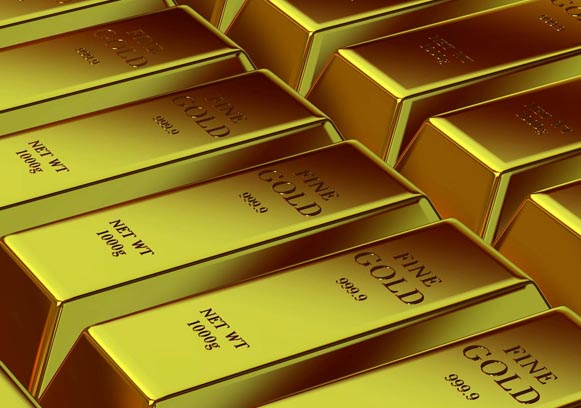
Gold has long been considered a symbol of wealth, stability, and financial security. As global markets evolve and economic uncertainty continues to shape investor behavior, many people are asking an important question: should I invest in gold in 2026? This article explores the major factors influencing gold as an investment and helps you understand whether it deserves a place in a modern portfolio.
1. The Historical Role of Gold as an Investment
Gold has played a crucial role in financial systems for thousands of years, serving as both currency and a store of value. Unlike paper assets, gold has maintained its purchasing power across generations, even during periods of economic collapse. This historical resilience is one reason gold continues to attract investors.
As 2026 approaches, many investors look back at gold's track record to gauge its future potential. While past performance does not guarantee future results, historical trends provide valuable insight. Gold's long-standing reputation as a safe asset remains one of its strongest advantages.
2. Economic Uncertainty and Global Risk Factors
Inflation is another major concern that can impact purchasing power and savings. When inflation rises faster than interest rates, real returns on cash and bonds may turn negative. Gold is commonly viewed as a protective asset during these periods.
Looking ahead to 2026, uncertainty surrounding economic growth and policy decisions may persist. Investors who prioritize stability may see gold as a way to reduce overall portfolio risk. This makes gold particularly appealing during unpredictable times.
3. Gold as a Hedge Against Inflation
Inflation reduces the value of money over time, making it harder to preserve wealth using cash alone. Gold has historically shown an ability to keep pace with or outperform inflation. This characteristic makes it attractive to long-term investors.
In 2026, inflation trends will continue to play a major role in investment decisions. If inflation remains elevated, gold could maintain strong demand. This potential makes gold an important consideration for those worried about rising living costs.
4. Portfolio Diversification Benefits
When equity markets decline, gold has frequently held its value or even appreciated. This helps offset losses and smooth long-term returns. As a result, many financial experts recommend allocating a small percentage of assets to gold.
By 2026, portfolios that rely too heavily on a single asset class may face increased risk. Including gold can help balance exposure across different market conditions. This makes gold especially useful for risk-conscious investors.
Physical Gold vs. Paper Gold
Investors can gain exposure to gold through physical bullion, exchange-traded funds, or mining stocks. Each option comes with its own benefits and risks. Understanding these differences is essential before investing.
Choosing the right form of gold investment in 2026 depends on individual goals and risk tolerance. A combination of options may offer balanced exposure. Careful evaluation is key to making informed decisions.
5. Potential Risks of Investing in Gold
Gold prices can also be volatile in the short term due to market speculation and currency movements. Sudden price swings may challenge investors with a short investment horizon. Timing the market can be difficult.
By 2026, changes in interest rates or investor sentiment could affect gold prices negatively. Rising interest rates often reduce gold's attractiveness compared to yield-generating assets. Understanding these risks is essential before investing.
6. Is Gold Right for You in 2026?
Younger investors may prioritize growth assets, while those closer to retirement may value stability. Gold can help preserve wealth and reduce portfolio stress during market downturns. Its role varies depending on personal circumstances.
In conclusion, investing in gold in 2026 may make sense for those seeking diversification and protection against uncertainty. Gold is not a one-size-fits-all solution, but it remains a relevant and time-tested asset. Thoughtful allocation and long-term perspective are essential for success.


Popular Posts
June 2026


Building a Community Online Without Feeling Overwhelmed
Creating and nurturing an online community can be a game-changer for .. ..
Creating and nurturing an online community can be a game-changer for small businesses. A strong community fosters loyal customers, encourages .. ..
READ NOW


How to Optimize Paid Advertising for Maximum ROI in 2025
Paid advertising in 2025 is evolving rapidly with the rise of .. ..
READ NOW


Celebrating Wins and Planning for Long-Term Success
Recognizing and celebrating wins, no matter how big or small, is .. ..
READ NOW


From Milestone to Meh: The Strange Psychology of Wins
Successes and wins, whether big or small, are often anticipated as .. ..
READ NOW


Using Chatbots to Improve Customer Support and Sales
In the evolving digital landscape, businesses are constantly seeking ways to .. ..
READ NOW


5 Personal Finance Hacks That Make Investing Easier for Beginners
Investing can seem daunting for beginners, often clouded with complex jargon, .. ..
READ NOW


Using Marketing Automation to Streamline Strategy Execution
Marketing automation refers to the use of software platforms and technologies .. ..
READ NOW


Waste Not: Sustainable Product Design for Startups
In today's rapidly evolving market, startups have a unique opportunity to .. ..
READ NOW


4 Free Marketing Channels Every Beginner Should Try
Marketing is essential for any business, but for beginners, the cost .. ..
READ NOW


How Hybrid Finance Is Shaping the Future of Entrepreneurial Funding
Entrepreneurial funding has experienced a significant transformation in recent years, driven .. ..
READ NOW


