Fill Invoice
FREE INVOICE GENERATOR
The Growing Importance Of Sustainable And Ethical Investing

Posted On 2026-04-27
What Is Sustainable and Ethical Investing?
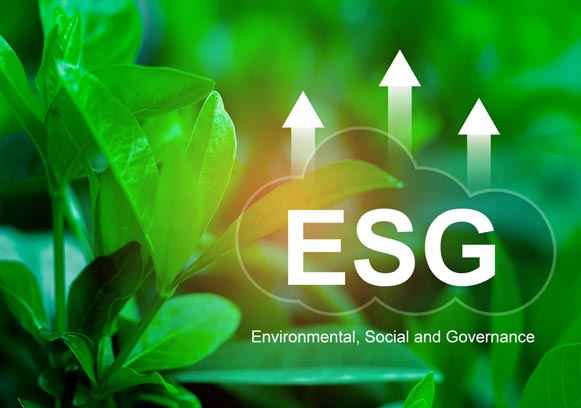
Sustainable investing broadly refers to incorporating environmental, social, and governance (ESG) criteria into investment decisions. It aims to generate long-term financial returns while supporting companies that operate responsibly and contribute positively to society. Ethical investing overlaps with this concept but often emphasizes moral considerations, excluding companies involved in harmful activities such as tobacco, weapons, or fossil fuels.
Both approaches challenge the traditional view that profit maximization should be the sole focus of investing. Instead, they recognize that businesses' environmental stewardship, social impact, and governance practices materially affect their financial performance and risk profile.
Key Features of Sustainable and Ethical Investing:
Incorporation of ESG factors in investment analysis. Focus on companies demonstrating responsible practices. Exclusion of controversial industries or activities. Emphasis on long-term value creation and risk mitigation.
The Drivers Behind the Growing Popularity
Several factors have contributed to the surge in sustainable and ethical investing over the last decade. Among the most significant is the increasing evidence that companies with strong ESG performance tend to outperform financially over time. Studies show that responsible companies often experience lower operational risks, better regulatory compliance, and stronger brand loyalty.
Public awareness of climate change, social justice, and corporate governance issues has also risen dramatically. Younger generations, particularly Millennials and Gen Z, place great importance on sustainability and ethical considerations in their investment choices. Their influence is driving demand for investment products aligned with these values.
Important Factors Fueling Growth:
Evidence linking ESG and financial performance. Changing investor demographics and preferences. Regulatory developments and disclosure requirements. Increased media focus on environmental and social issues.
Environmental Concerns as a Core Focus
Climate change and environmental degradation have become central issues within sustainable investing. Investors are paying closer attention to carbon emissions, water use, pollution, and resource depletion. Companies actively reducing their environmental impact often benefit from cost savings, regulatory advantages, and improved public perception.
Renewable energy, energy efficiency, and sustainable agriculture are among the fastest-growing sectors attracting capital. Green bonds and sustainability-linked loans have emerged as innovative financial instruments to support environmental projects. This focus also extends to assessing companies' resilience to climate-related risks, such as extreme weather or resource scarcity.
Environmental Investing Highlights:
Reducing greenhouse gas emissions and carbon footprint. Investing in renewable and clean energy solutions. Promoting sustainable resource management. Assessing climate risk exposure in portfolios.
The Social Dimension: People and Communities Matter
The social component of sustainable investing focuses on how companies treat their employees, customers, and communities. Issues such as labor rights, diversity and inclusion, human rights, and product safety are under growing scrutiny. Investors recognize that companies with strong social practices often experience higher employee satisfaction, stronger customer loyalty, and fewer operational disruptions.
Inclusion and equity have become critical themes, with pressure on companies to improve representation of women and minorities in leadership roles. Socially responsible businesses also actively engage with their communities, supporting education, healthcare, and economic development initiatives.
Key Social Investing Elements:
Employee rights and workplace safety. Diversity, equity, and inclusion initiatives. Community engagement and philanthropy. Consumer protection and product responsibility.
Governance: The Foundation of Trust and Accountability
Strong corporate governance underpins sustainable investing by ensuring companies are well-managed and accountable. Governance factors include board composition, executive compensation, shareholder rights, and transparency. Effective governance mitigates risks such as fraud, corruption, and mismanagement.
Investors demand greater accountability through improved disclosure, independent oversight, and ethical business practices. Good governance is linked to better decision-making and long-term value creation. Companies that fail in governance often face reputational damage, regulatory penalties, and financial losses.
Governance Criteria Investors Assess:
Board independence and diversity. Executive pay aligned with performance. Shareholder rights and engagement. Ethical conduct and anti-corruption policies.
Challenges and Criticisms of Sustainable Investing
Despite its rapid growth, sustainable and ethical investing faces challenges. One major issue is the lack of standardized ESG data and metrics. Different rating agencies and frameworks often produce inconsistent assessments, confusing investors and complicating comparisons between companies.
Greenwashing-where companies exaggerate or misrepresent their sustainability efforts-remains a significant concern. Investors must be vigilant and conduct thorough due diligence to avoid misleading claims. Another challenge is balancing financial returns with ethical goals, as some sustainable investments may carry higher risks or lower short-term gains.
Common Challenges Include:
Inconsistent ESG data and ratings. Risk of greenwashing and false claims. Balancing ethical goals with financial performance. Varying investor values and expectations.
How Investors Can Get Started with Sustainable Investing
For those new to sustainable investing, starting with education is crucial. Understanding ESG factors, learning about available investment products, and defining personal values are essential first steps. Many mutual funds, ETFs, and robo-advisors now offer sustainable investment options with varying degrees of ESG integration.
Investors should carefully review fund objectives, holdings, and methodologies to ensure alignment with their goals. Engaging with financial advisors knowledgeable in ESG can provide tailored guidance. Additionally, shareholder advocacy and proxy voting offer ways to influence corporate behavior directly.
Steps to Begin Sustainable Investing:
Learn about ESG principles and criteria. Identify investment products that fit your values. Consult with knowledgeable financial advisors. Engage in shareholder advocacy when possible. Monitor and adjust portfolio based on evolving goals.
Conclusion: Embracing the Future of Responsible Investing
The growing importance of sustainable and ethical investing signals a fundamental shift in how capital markets operate. Investors are no longer content to focus solely on financial returns; they want to contribute to a more equitable, sustainable, and accountable world. This movement is reshaping corporate behavior, financial innovation, and investment strategies worldwide.
Whether you are an individual investor or an institutional one, embracing sustainable investing principles offers a powerful way to generate value today while preserving the planet and communities for future generations.
Ultimately, sustainable and ethical investing is not just a trend-it is a vital evolution in finance that reflects the changing priorities of our times and the growing awareness that our investments shape the world we live in.


Popular Posts
April 2026


Control Freaks Beware: Entrepreneurship Isn't All Power and Choice
Entrepreneurship is often glamorized as the ultimate expression of control-being the .. ..
Entrepreneurship is often glamorized as the ultimate expression of control-being the one who calls all the shots, makes every decision, .. ..
READ NOW


The Growing Importance of Real-Time Data in Finance
In today's fast-paced financial landscape, the ability to access and act .. ..
READ NOW


The Role of Regular Financial Reviews in Small Business Success
Small businesses operate in a dynamic environment that demands constant attention .. ..
READ NOW


Is Equity or Debt Financing Right for Your Business?
Choosing between equity and debt financing is one of the most .. ..
READ NOW


Learning to Sell Before You're Ready
Entrepreneurship rarely waits for the “perfect moment.” More often than not, .. ..
READ NOW


Understanding Business Finances Before You Even Make a Sale
Before a single transaction occurs, new entrepreneurs must understand the financial .. ..
READ NOW


“Do What You Love” Can Be Dangerous Career Advice
“Do what you love and you'll never work a day in .. ..
READ NOW


Emotional Fitness for Entrepreneurs: Daily Practices That Work
Entrepreneurship is often romanticized as a journey filled with freedom and .. ..
READ NOW


Internet Penetration and Its Role in E-Commerce Success
In the digital economy, internet penetration is one of the most .. ..
READ NOW


Building Financial Buffers to Support Growth Initiatives
Financial buffers serve as a critical foundation for businesses aiming to .. ..
READ NOW


