Fill Invoice
FREE INVOICE GENERATOR
The Rise Of Digital Wallets And Cashless Payments

Posted On 2026-02-20
1. The Evolution and Adoption of Digital Wallets
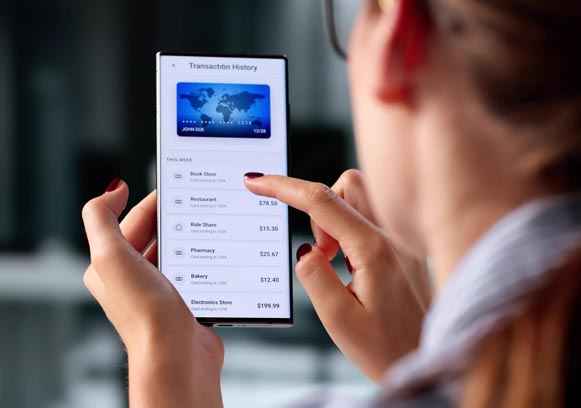
Digital wallets have come a long way since their inception. Initially launched as simple apps storing credit card information, they have evolved into multifunctional platforms capable of managing a range of financial services, from peer-to-peer transfers to bill payments and loyalty programs. Early digital wallets like PayPal paved the way, but recent innovations from Apple Pay, Google Pay, Samsung Pay, and numerous regional players have accelerated adoption worldwide.
The convenience of digital wallets lies in their integration with smartphones, wearable devices, and online services, enabling users to pay with just a tap or scan. This ease of use appeals especially to younger, tech-savvy consumers who prioritize speed and simplicity in transactions. Moreover, during the COVID-19 pandemic, the preference for contactless payments surged as consumers and merchants sought safer alternatives to cash.
2. Benefits of Cashless Payments for Consumers and Businesses
Convenience and Speed: Cashless payments eliminate the need to carry physical money, reduce checkout times, and enable transactions anywhere and anytime, enhancing overall user experience.Enhanced Security: Digital wallets use encryption, tokenization, biometric authentication, and multi-factor verification, making payments safer compared to cash or traditional cards.Budgeting and Tracking: Many digital wallets offer spending summaries, alerts, and integration with personal finance apps, helping users manage their finances more effectively.Cost Savings for Businesses: Cashless payments reduce costs related to cash handling, theft prevention, and bank deposits, while also improving sales tracking and inventory management.Global Reach and E-commerce Enablement: Businesses can reach international customers easily with cashless payment options, fostering cross-border trade and digital commerce growth.
3. Challenges and Risks Associated with Digital Wallets and Cashless Payments
Despite the numerous advantages, the shift towards cashless payments also poses challenges and risks that stakeholders must address. One major concern is digital security. While digital wallets employ robust security measures, the increasing volume of online transactions makes them lucrative targets for cybercriminals attempting identity theft, fraud, and phishing attacks.
Additionally, the reliance on internet connectivity and digital infrastructure creates potential barriers in regions with poor access or technological literacy. Vulnerable populations such as the elderly or those unfamiliar with technology may face difficulties adopting cashless solutions, potentially widening the financial inclusion gap if not managed carefully.
Another challenge is data privacy. Digital payment platforms collect extensive user data, raising concerns about how this data is stored, shared, and used. Regulatory frameworks are evolving to protect consumer rights, but companies must remain vigilant in maintaining transparency and compliance to retain trust.
4. The Role of Governments and Regulations in Shaping Cashless Economies
Governments worldwide recognize the potential of cashless payments to enhance transparency, reduce corruption, and increase tax revenue collection. Many have introduced initiatives to encourage digital payments, such as subsidies, tax incentives, or mandatory electronic transaction limits for certain businesses.
Regulatory frameworks are being developed to ensure the safety, interoperability, and fairness of digital payment systems. Regulations on anti-money laundering (AML), know your customer (KYC), data protection, and cybersecurity are critical in building a secure and trustworthy digital payments environment.
For instance, the European Union's Payment Services Directive (PSD2) promotes open banking and secure payments, fostering competition and innovation. Similarly, countries like India have launched ambitious programs such as the Unified Payments Interface (UPI), which has revolutionized mobile payments in the region.
5. Future Trends and Innovations in Digital Wallets and Cashless Payments
The future of digital wallets and cashless payments looks promising, driven by continuous technological innovation and shifting consumer expectations. One significant trend is the integration of artificial intelligence and machine learning to enhance personalization, fraud detection, and customer service within digital wallets.
Another area of growth is the adoption of blockchain technology and cryptocurrencies, which offer decentralized, transparent, and fast payment options. Some digital wallets are beginning to support cryptocurrencies alongside traditional currencies, expanding user choice and accessibility.
The rise of the Internet of Things (IoT) is also expected to create new payment experiences, such as wearable devices and connected cars enabling seamless transactions without user intervention. Voice-activated payments through smart assistants are becoming more common, adding further convenience.
Finally, enhanced security protocols including biometric verification, behavioral analytics, and zero-trust architectures will strengthen trust and adoption in cashless systems worldwide.
Conclusion
The rise of digital wallets and cashless payments marks a fundamental shift in the way money is exchanged and managed. This transformation offers unparalleled convenience, security, and efficiency benefits for consumers and businesses alike, enabling a more connected and dynamic financial ecosystem.
However, it also brings challenges that must be carefully managed to ensure inclusivity, privacy, and trust. Governments, financial institutions, and technology providers all play vital roles in shaping the future of cashless economies through thoughtful regulation, innovation, and customer education.
As digital wallets become more sophisticated and cashless payments more pervasive, their influence on the global economy will only deepen. Embracing these technologies while addressing their risks will unlock new opportunities for financial empowerment, economic growth, and seamless commerce across borders.


Popular Posts
May 2026


Identifying and Cutting Non-Essential Expenses Post-Crisis
Small businesses often face immense financial pressure after a crisis, whether .. ..
Small businesses often face immense financial pressure after a crisis, whether it is a natural disaster, economic downturn, or a .. ..
READ NOW


No One Teaches You How to Compete With Giants
When you're starting a small business, no one hands you a .. ..
When you're starting a small business, no one hands you a manual on how to stand toe-to-toe with industry titans. .. ..
READ NOW


Smart Spending Habits That Beat Rising Prices
With the cost of living steadily climbing, smart spending habits have .. ..
With the cost of living steadily climbing, smart spending habits have become more important than ever to maintain financial health. .. ..
READ NOW


Ensuring Consistent Customer Service in Busy Times
During busy periods, maintaining consistent customer service becomes increasingly challenging yet .. ..
During busy periods, maintaining consistent customer service becomes increasingly challenging yet critically important. When demand surges, organizations risk longer response .. ..
READ NOW


Reducing Fraud and Errors in Financial Transactions With Blockchain
Financial transactions are the backbone of the global economy, facilitating the .. ..
READ NOW


Using User-Generated Content to Build Trust and Save Money
For small businesses operating on tight budgets, authenticity and cost-efficiency are .. ..
READ NOW


How to Use Micro-Influencers to Amplify Your Small Business Brand
In the fast-evolving world of digital marketing, small businesses are constantly .. ..
READ NOW


The Role of Scalability in Startups vs Small Businesses
Scalability plays a crucial role in defining the paths and strategies .. ..
READ NOW


Why Customer Feedback Is Your Best Guide When You're Lost
When business leaders find themselves uncertain or lost in their decision-making, .. ..
READ NOW


How Small Businesses Can Thrive Despite Inflation and Interest Rate Challenges
In today's fluctuating economic environment, small businesses face unique challenges brought .. ..
READ NOW


