Fill Invoice
FREE INVOICE GENERATOR
The Role Of GDPR And Privacy Tech In E-Commerce Compliance

Posted On 2026-06-02
Understanding GDPR's Impact on E-Commerce Operations
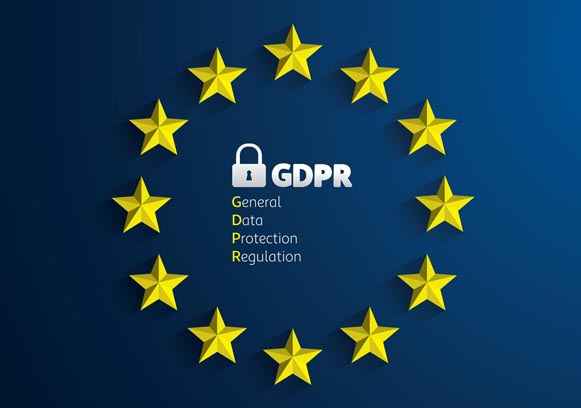
GDPR introduced comprehensive requirements that affect every aspect of data handling within e-commerce. One of its core principles is transparency, mandating clear communication to consumers about what data is collected, how it is used, and with whom it is shared. This transparency builds trust by empowering users with informed choices rather than hidden data practices.
Data subject rights, including access, rectification, erasure (the “right to be forgotten”), and data portability, require platforms to implement processes that respond to user requests promptly. Meeting these rights demands technical infrastructure capable of identifying, retrieving, and modifying data accurately across distributed systems.
Privacy Tech Solutions Empowering GDPR Compliance
Privacy tech refers to a broad category of tools designed to help businesses manage data protection in line with GDPR requirements. One widely adopted solution is the Consent Management Platform (CMP), which automates the collection and documentation of user consent. CMPs provide customizable banners and preference centers that respect user choices and update tracking behavior dynamically.
Encryption technologies protect data both at rest and in transit, safeguarding it from unauthorized access. Coupled with secure key management systems, encryption forms a backbone of secure e-commerce infrastructure. Privacy tech also includes advanced data mapping and cataloging tools that help organizations track where personal data resides and how it flows through their systems, enabling faster breach response and compliance audits.
Furthermore, automated compliance workflows leverage artificial intelligence to continuously monitor regulatory changes, identify compliance gaps, and suggest corrective actions. This proactive approach reduces manual effort and risk of human error in maintaining GDPR adherence.
Challenges E-Commerce Businesses Face in GDPR Compliance
Complexity of Regulations: GDPR's detailed requirements can be difficult to interpret and apply across diverse e-commerce models.Integration with Legacy Systems: Many businesses struggle to retrofit privacy tech into existing IT infrastructure without disrupting operations.User Experience Balance: Implementing consent and privacy controls without negatively impacting site usability or conversion rates.Cross-Border Data Transfers: Navigating GDPR's rules on transferring data outside the EU adds legal and technical complexity.Continuous Compliance: Maintaining adherence as regulations evolve and new technologies emerge demands ongoing effort and investment.
Strategies to Align Privacy Tech with Business Goals
Investing in flexible, scalable privacy tech platforms ensures that compliance efforts grow with the business. Modular solutions enable e-commerce sites to adapt quickly to changing regulations or business needs without costly overhauls. Additionally, collaboration between legal, IT, marketing, and customer service teams fosters cohesive privacy governance.
Leveraging analytics from consent and privacy management tools can yield insights into customer preferences and behavior, helping refine marketing strategies that respect privacy boundaries. This data-driven approach ensures that personalization and compliance coexist harmoniously.
Regular training and awareness programs for employees help embed a culture of privacy throughout the organization. Educated staff are better equipped to identify risks, support compliance processes, and engage customers transparently about data practices.


Popular Posts
June 2026


Building a Community Online Without Feeling Overwhelmed
Creating and nurturing an online community can be a game-changer for .. ..
Creating and nurturing an online community can be a game-changer for small businesses. A strong community fosters loyal customers, encourages .. ..
READ NOW


From Milestone to Meh: The Strange Psychology of Wins
Successes and wins, whether big or small, are often anticipated as .. ..
READ NOW


How to Optimize Paid Advertising for Maximum ROI in 2025
Paid advertising in 2025 is evolving rapidly with the rise of .. ..
READ NOW


Celebrating Wins and Planning for Long-Term Success
Recognizing and celebrating wins, no matter how big or small, is .. ..
READ NOW


Using Chatbots to Improve Customer Support and Sales
In the evolving digital landscape, businesses are constantly seeking ways to .. ..
READ NOW


5 Personal Finance Hacks That Make Investing Easier for Beginners
Investing can seem daunting for beginners, often clouded with complex jargon, .. ..
READ NOW


Using Marketing Automation to Streamline Strategy Execution
Marketing automation refers to the use of software platforms and technologies .. ..
READ NOW


How Hybrid Finance Is Shaping the Future of Entrepreneurial Funding
Entrepreneurial funding has experienced a significant transformation in recent years, driven .. ..
READ NOW


How Content Marketing Drives Long-Term E-Commerce Growth
Content marketing is the process of creating and distributing valuable, relevant .. ..
READ NOW


Using Social Media to Announce Your E-Commerce Launch
Social media platforms are among the most effective channels for launching .. ..
READ NOW


