
Fill Invoice
FREE INVOICE GENERATOR
What Self-Made Founders Say About The Debate

Posted On 2026-04-21
Early Environment Plays a Big Role
Many self-made founders acknowledge that their upbringing and early environment shaped their entrepreneurial thinking more than genetics ever could.
Lessons from the School of Failure
One recurring theme in self-made founder interviews is the importance of failure as a training ground.
These experiences reinforce that
Traits They Believe Can Be Taught
Resilience: Most founders agree that emotional toughness can be built through repeated exposure to pressure and setbacks.Creativity: While some people are naturally imaginative, many founders say creativity grows with habit and perspective.Sales Skills: Being persuasive is a necessity, but founders likeMarc Cuban emphasize it's a skill developed, not inherited.Leadership: Leadership is rarely innate; self-made entrepreneurs often say they became better leaders by listening, failing, and adapting.Risk Appetite: Comfort with risk grows over time. Founders suggest starting with small calculated risks to build confidence.
Insights from Tech Entrepreneurs (4 Paragraphs)
Why Founders Say Mindset Beats Talent (5 Paragraphs)
When asked what separates entrepreneurs from the rest, self-made founders consistently highlight mindset over skillset.
From these views, it becomes clear that even when talent or privilege is lacking, the right mindset can compensate-and even outperform-natural advantages. Founders learn to think long-term, manage fear, and push through uncertainty. Those are not traits you're born with; they're forged through experience.
Conclusion: What They All Agree On
Despite differences in background, education, or funding, self-made founders share a resounding belief:
Natural advantages help, but they're not required. Grit, vision, adaptability, and hunger are traits seen in almost every self-made founder, and those traits are not genetic-they're experiential. Every challenge, rejection, and pivot adds to the entrepreneur's toolkit. The person who begins the journey is rarely the same person who succeeds at the end.


Popular Posts
April 2026


Control Freaks Beware: Entrepreneurship Isn't All Power and Choice
Entrepreneurship is often glamorized as the ultimate expression of control-being the .. ..
Entrepreneurship is often glamorized as the ultimate expression of control-being the one who calls all the shots, makes every decision, .. ..
READ NOW
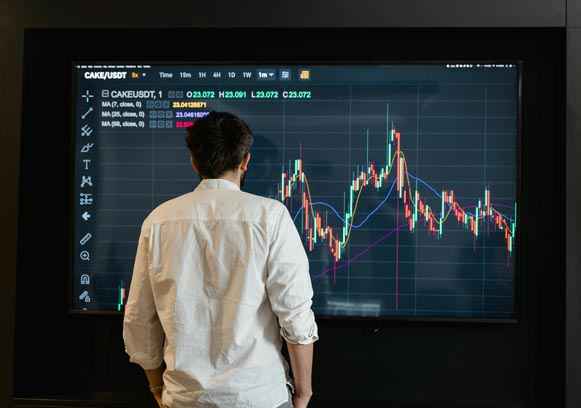

The Growing Importance of Real-Time Data in Finance
In today's fast-paced financial landscape, the ability to access and act .. ..
In today's fast-paced financial landscape, the ability to access and act upon real-time data is becoming increasingly crucial. Gone are .. ..
READ NOW

Is Equity or Debt Financing Right for Your Business?
Choosing between equity and debt financing is one of the most .. ..
READ NOW


Learning to Sell Before You're Ready
Entrepreneurship rarely waits for the “perfect moment.” More often than not, .. ..
READ NOW


The Role of Regular Financial Reviews in Small Business Success
Small businesses operate in a dynamic environment that demands constant attention .. ..
READ NOW

Internet Penetration and Its Role in E-Commerce Success
In the digital economy, internet penetration is one of the most .. ..
READ NOW

Building Financial Buffers to Support Growth Initiatives
Financial buffers serve as a critical foundation for businesses aiming to .. ..
READ NOW


“Do What You Love” Can Be Dangerous Career Advice
“Do what you love and you'll never work a day in .. ..
READ NOW


Emotional Fitness for Entrepreneurs: Daily Practices That Work
Entrepreneurship is often romanticized as a journey filled with freedom and .. ..
READ NOW


Monitoring Key Metrics to Detect Early Signs of Stagnation
Business growth is never guaranteed to be linear. Even the most .. ..
READ NOW


