Fill Invoice
FREE INVOICE GENERATOR
Why Logistics Is A Greater Challenge In Developing Countries

Posted On 2025-09-24
Poor Infrastructure
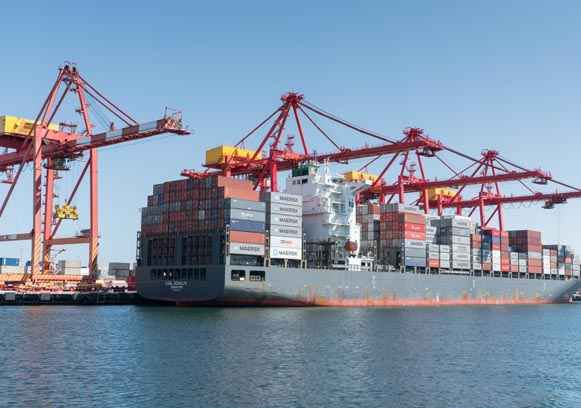
One of the primary reasons logistics is more difficult in developing countries is the lack of adequate infrastructure. Roads, bridges, ports, and railways are often underdeveloped, which creates bottlenecks and increases transportation time and cost.
Additionally, poor maintenance of existing infrastructure exacerbates delays. Vehicles are more prone to damage, and breakdowns become frequent, raising operational costs and affecting delivery reliability.
Limited Access to Technology
Many businesses still rely on manual systems for inventory and shipment management, which are prone to errors and inefficiencies. This hinders decision-making and contributes to delays in delivery and fulfillment.
Regulatory and Bureaucratic Hurdles
Complicated regulations and excessive bureaucracy make logistics in developing countries a frustrating process. Paperwork for customs clearance, taxation, and transportation permits can be burdensome and time-consuming.
Inconsistent enforcement of laws and unpredictable policy changes create further uncertainty. Businesses often face unexpected fees and delays, especially when importing or exporting goods.
Unreliable Power Supply
Consistent electricity is essential for running warehouses, cold storage facilities, and offices. In many developing countries, power outages are common and can last for hours or even days, disrupting operations significantly.
Inadequate Transportation Networks
- Lack of interconnectivity between rural and urban areas
- Minimal rail and inland waterway services
- Limited public transportation options for labor movement
- Overreliance on single transportation modes, such as road freight
These issues collectively increase travel time, reduce reliability, and limit accessibility to remote areas, complicating last-mile delivery services.
Political Instability
Political unrest and unstable governance can severely disrupt logistics. Roadblocks, strikes, and civil conflicts make transportation risky and unreliable. Businesses may face loss of inventory, increased insurance costs, and even physical harm to employees and assets.
Frequent changes in leadership often lead to inconsistent policies. Infrastructure projects may be abandoned midway, or new tariffs and restrictions imposed without warning, affecting long-term planning for logistics providers.
Corruption and Informal Fees
This not only increases costs but also creates unpredictability in delivery times. Ethical businesses may find themselves at a disadvantage when competitors cut corners through corrupt practices.
Limited Skilled Workforce
- Shortage of trained logistics professionals
- Lack of modern training programs and certification
- High turnover rates in labor-intensive roles
- Language barriers and communication issues
Without a skilled workforce, implementing modern logistics practices becomes challenging. Companies may struggle with route planning, fleet management, and warehouse optimization.
High Transportation Costs
In developing countries, the cost of transportation is often higher per unit distance compared to developed nations. This can be attributed to inefficient routes, fuel inefficiency, and high maintenance costs due to poor roads.
Limited Cold Chain Facilities
The cold chain is vital for transporting perishable items like food and medicine. In developing countries, cold chain logistics are underdeveloped due to high energy costs and lack of technical expertise.
This results in spoilage, reduced product quality, and significant losses, especially in the agricultural and pharmaceutical sectors. Establishing and maintaining cold chain infrastructure remains an expensive and complex task.
Challenges in Last-Mile Delivery
- Poor address systems in rural and urban areas
- High population density in urban slums
- Unpaved or narrow roads
- Limited access to mobile networks for tracking and communication
These factors lead to failed deliveries, customer dissatisfaction, and increased cost of redelivery. The last mile continues to be the most expensive and complex part of the logistics chain.
Weak Supply Chain Coordination
This lack of coordination results in frequent stockouts, overstocking, and delays. It hampers the ability of businesses to respond quickly to demand changes or supply disruptions.
Limited Investment in Logistics Sector
Governments in developing countries often prioritize sectors like healthcare, education, and energy over logistics. As a result, funding for infrastructure, training, and innovation in logistics is limited.
Private investors also hesitate due to perceived risks and low returns. This leads to a vicious cycle where inadequate infrastructure and resources further discourage investment.
Geographical Challenges
- Mountainous terrain and remote islands
- Flood-prone regions and seasonal roads
- Vast rural landscapes with low population density
Conclusion
Logistics in developing countries faces a complex set of interrelated challenges. From poor infrastructure and limited technology to political instability and geographic constraints, these barriers significantly hinder the efficiency and reliability of logistics operations.
Overcoming these issues requires coordinated efforts between governments, private sector stakeholders, and international partners. Investments in infrastructure, training, and technology, along with transparent governance, can gradually reduce these logistical hurdles and promote economic development.


Popular Posts
June 2026


Building a Community Online Without Feeling Overwhelmed
Creating and nurturing an online community can be a game-changer for .. ..
Creating and nurturing an online community can be a game-changer for small businesses. A strong community fosters loyal customers, encourages .. ..
READ NOW


From Milestone to Meh: The Strange Psychology of Wins
Successes and wins, whether big or small, are often anticipated as .. ..
Successes and wins, whether big or small, are often anticipated as moments of triumph and celebration. Yet, for many people, .. ..
READ NOW


How to Optimize Paid Advertising for Maximum ROI in 2025
Paid advertising in 2025 is evolving rapidly with the rise of .. ..
READ NOW


Celebrating Wins and Planning for Long-Term Success
Recognizing and celebrating wins, no matter how big or small, is .. ..
READ NOW


Using Chatbots to Improve Customer Support and Sales
In the evolving digital landscape, businesses are constantly seeking ways to .. ..
READ NOW


5 Personal Finance Hacks That Make Investing Easier for Beginners
Investing can seem daunting for beginners, often clouded with complex jargon, .. ..
READ NOW


How Content Marketing Drives Long-Term E-Commerce Growth
Content marketing is the process of creating and distributing valuable, relevant .. ..
READ NOW


Using Marketing Automation to Streamline Strategy Execution
Marketing automation refers to the use of software platforms and technologies .. ..
READ NOW


Waste Not: Sustainable Product Design for Startups
In today's rapidly evolving market, startups have a unique opportunity to .. ..
READ NOW


4 Free Marketing Channels Every Beginner Should Try
Marketing is essential for any business, but for beginners, the cost .. ..
READ NOW


